Attention is Their Love Language
If you’re sitting, our Golden is leaning. If you’re standing, he’s resting his head on your thigh, eyes locked on yours with an intensity that says, “I need you. Right now. Forever.” This breed scores a 5 out of 5 for affection, and it’s no exaggeration. They’re not just “good with kids”—they genuinely crave human connection. Ours follows me from room to room, settling at my feet while I cook, wedged between my wife and me on the couch. Loneliness is not an option. We can’t leave him more than four or five hours without him getting mopey. When we researched the best dog breeds for families, we saw phrases like “thrives on human interaction” and shrugged. Now I understand: a Golden left alone too long will chew your baseboards and serenade the neighbors with howls. So we rearrange schedules, hire a midday walker when we’re both out, and plan vacations around dog-friendly stays. He’s not just a pet; he’s a needy, affectionate, 65-pound shadow who will never let you forget he’s there.
A 6am Wake-Up Call (and the Look)
Every morning at 6:00 a.m., there’s a wet nose pressed to my cheek. Not a demand, exactly—more like an urgent suggestion that the day’s adventures must begin. If I groan and roll over, the nose becomes a paw on my shoulder, then a full weight across my chest until I’m laughing and gasping for air. It’s impossible to be annoyed because that face—those soft, earnest eyes—is beaming at you like you’re the most wonderful thing he’s ever seen. That look. That’s the currency of Golden Retrievers. They wield it like a weapon, and you’ll cave every time.
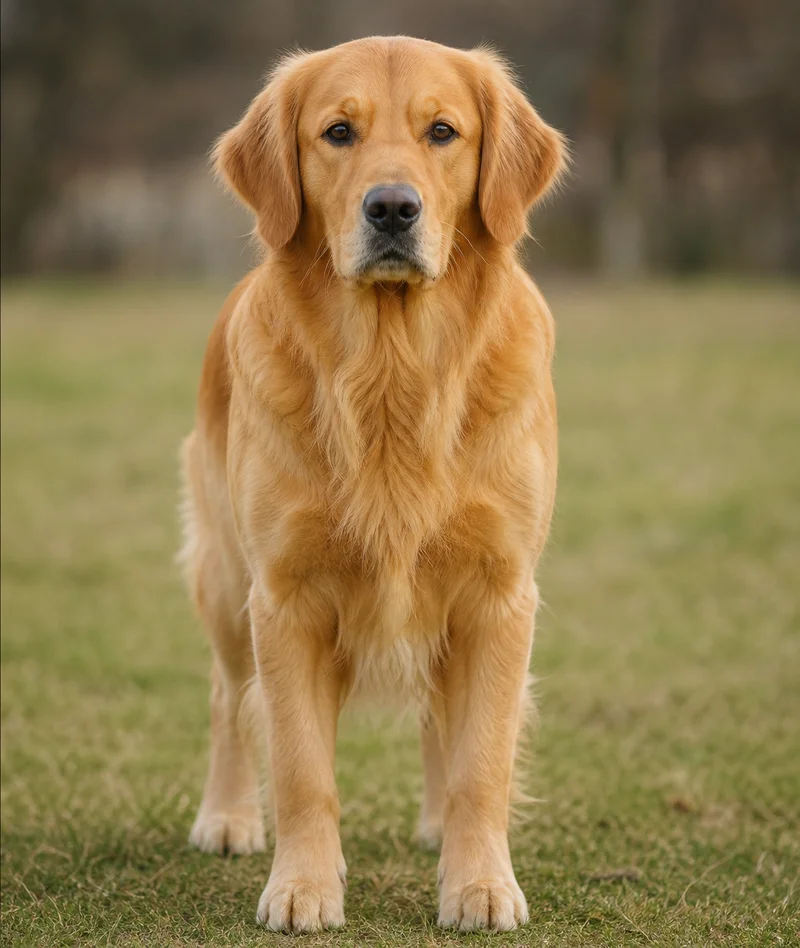 Golden Retriever — View full breed profile →
And the reason for the early wake-up? A Golden needs at least an hour of serious exercise daily, but ours could go two hours and still chase a ball. Their energy is a 4 out of 5, but it’s not manic. It’s an athletic, ready-for-anything kind of enthusiasm that makes our morning walks feel like a privilege. He trots beside me, matching my pace, and then absolutely loses his mind the second we spot water.
The Swimming Obsession
If there’s a puddle, a creek, a lake, or even a muddy construction site, our Golden will find it and cannonball in. This is the breed’s retrieving heritage writ large—they were bred to retrieve waterfowl, and it shows. We can’t walk past a pond without him giving me that look again, a full-body wiggle that says, “Please, please, please?” So I unclip the leash, and he’s airborne before I can say “go.” He’ll bring back sticks, rocks, even a floating tennis ball from a stranger’s picnic. The soft-mouthed gentleness is real; he’s never once broken skin. But the aftermath? A soaking, muddy dog who leaps into my car and sprays the upholstery with swamp water. Laundry day becomes a losing battle: muddy towels, paw prints on freshly mopped floors, and a distinct aroma of damp dog that never quite leaves the hallway.
Muddy Paws on Laundry Day
I want to be specific about the chaos. It’s Saturday morning, the washing machine is churning, and I’ve just swept the kitchen. Then I hear the jingle of paws on tile—four muddy prints, each the size of my palm, trailing from the back door to the treat jar. I look at him, and he freezes mid-step with that “Who, me?” tilt of the head. And in that moment, I realize the floor can be cleaned, but his joy in that muddy yard was priceless. Still, I now keep a towel permanently by the door, and we’ve invested in a good mop.
How the Dog Changed Our Family
Before we got him, we were a busy family of four with our own rhythms. Now, we’re a pack. The kids used to argue over screen time; now they fight over who gets to throw the ball. Our seven-year-old is learning responsibility by measuring out kibble (3 to 4 cups a day, because Goldens will eat anything and gain weight fast). Our tween is suddenly eager for walks, phone left behind. The dog sleeps in the hallway, equidistant from every bedroom door, as if to keep an eye on us all. He’s gentle with the kids, even when they tumble into him—he just wags and licks their cheeks. At 55 to 75 pounds, he’s sturdy enough to absorb a toddler’s tackle, though we still supervise because that happy tail can clear a coffee table. When we made the decision, we pored over every list of the best dog breeds for families, and it was clear: Goldens were built for this. But no article conveyed how they’d stitch the family together, turning ordinary evenings into games of indoor fetch and cuddle piles on the rug.
The Heartbreak of a Short Lifespan
Here’s the part I dread. Golden Retrievers live 12 to 13 years, which feels like a blink. Ours is only four, but I already count the birthdays, knowing we’re a third of the way through. The breed is prone to cancers like hemangiosarcoma and lymphoma, and every vet visit I hold my breath. A limp after a run sends me spiraling—hip dysplasia? Elbow issues? These are not abstract worries. I’ve met grieving owners at the dog park, their eyes hollow, telling me to cherish every 6am wake-up, every muddy towel. So I do. I hug him a little tighter after reading another story of a Golden gone too soon. I take him swimming even when I’m tired. I let him steal a sock and parade it around because that goofy smugness is worth more than a hole-free pair. The heartbreak is built into the deal: we get a decade-plus of boundless love, then a goodbye that feels impossibly cruel. But I wouldn’t trade it. The hair, the early mornings, the vet bills—they’re just the interest on an investment in joy.
And now, as I type this, there’s a warm weight on my feet. He’s snoring softly, and a fine layer of golden fluff is settling on my keyboard. The dog who changed everything is here, as always, needing nothing but my presence. Tomorrow morning, he’ll wake me at 6, and I’ll stretch, smile, and step barefoot into another day of fur and unconditional devotion.


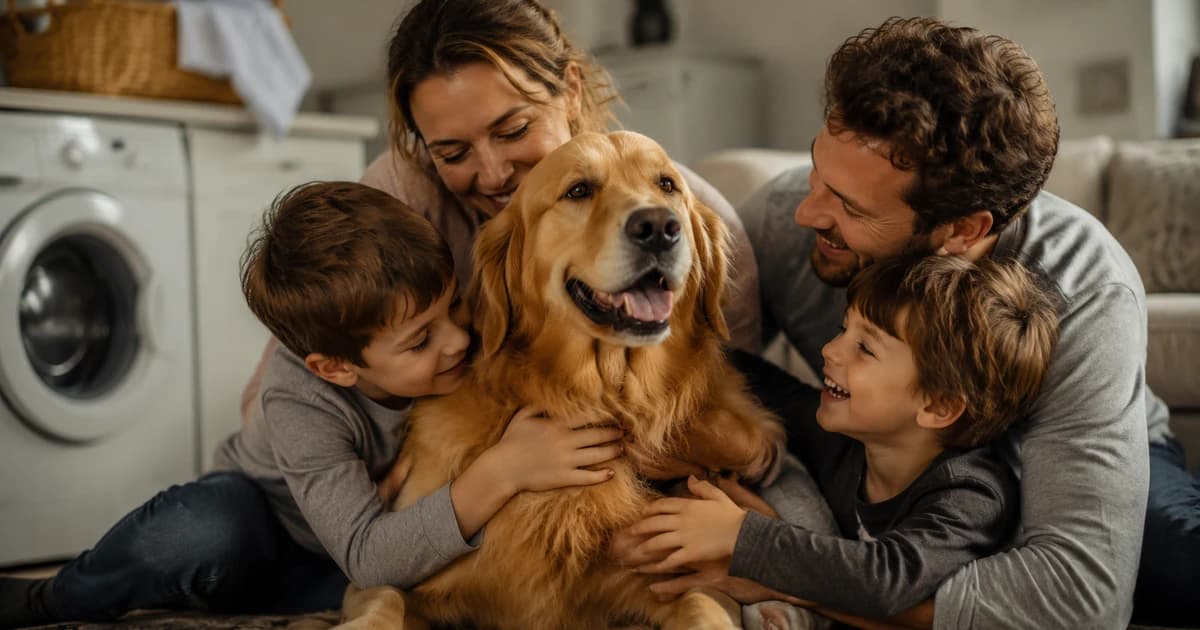

 Golden Retriever