

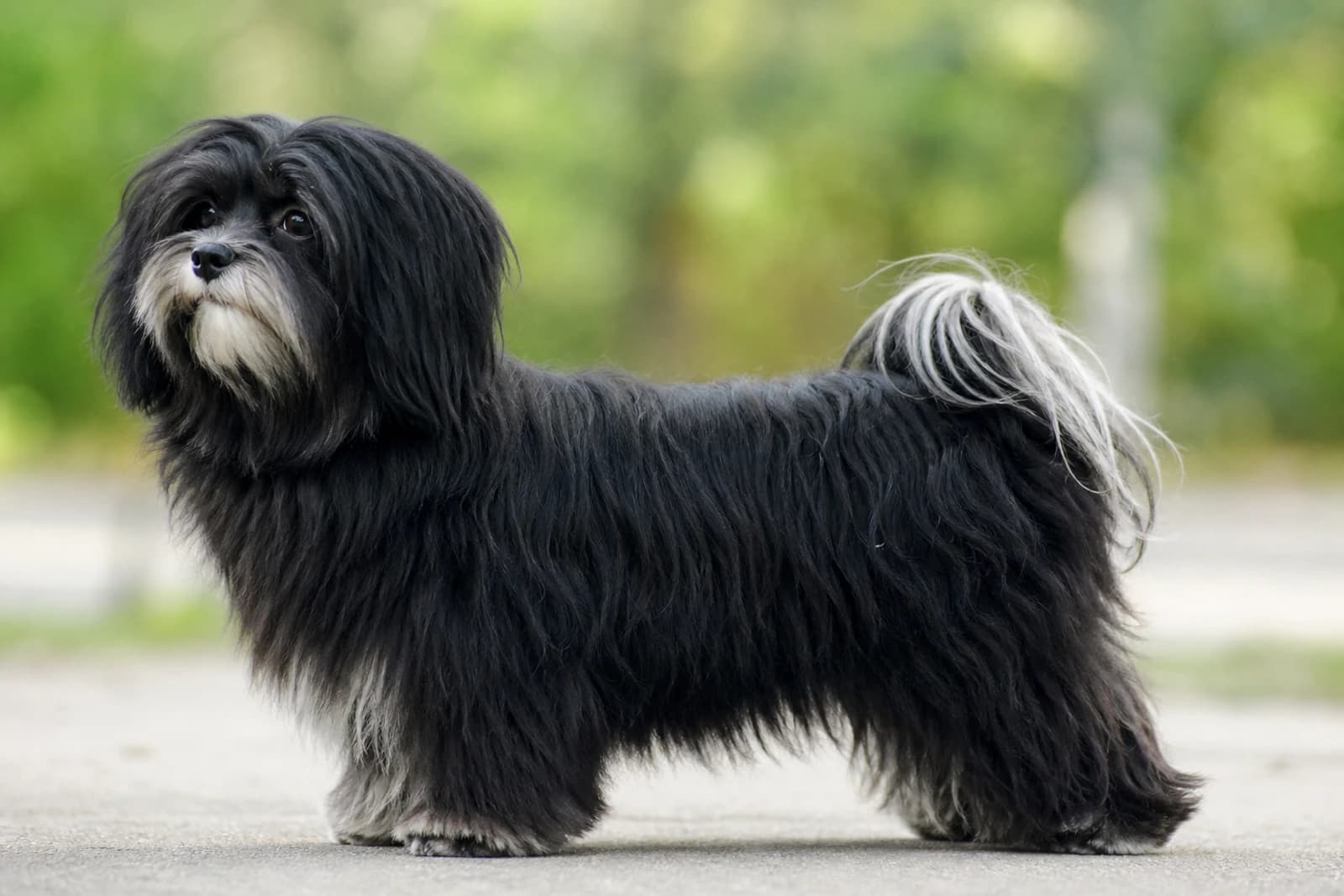
The Bichon Yorkie, a cross between the Bichon Frise and Yorkshire Terrier, is a spirited, affectionate companion ideal for families, singles, and seniors. Their small size and adaptable nature suit apartment living, but they thrive on human interaction and can develop separation anxiety if left alone too long. Expect a lively, playful dog that loves cuddles and gets along well with children and other pets when socialized early. Their low-shedding coat makes them a great choice for allergy sufferers, though it requires consistent grooming to maintain.
At a glance
- Size
- Medium
- Height
- 9–12 in
- Weight
- 7–13 lb
- Life span
- 13–15 years
- Coat colors
- White, Cream, Tan, Black, Combinations
- Coat type
- Long, soft, wavy or curly coat
- Group
- Crossbreeds
How much does a Bichon Yorkie cost?
Adopt / rescue
$75–$400
Usually includes spay/neuter, first shots, and a microchip.
Buy from a breeder
$700–$2,000
From a reputable, health-testing breeder.
Approximate USD. Prices vary widely by region, breeder, pedigree, age, and coat colour — adopting is the lower-cost and recommended route. Avoid suspiciously cheap “breeders”; they’re often puppy mills.
Estimate the full cost of a Bichon Yorkie →Bichon Yorkie photos
Views
Front, side, rear and top — the full silhouette.Poses
How the breed sits, lies, moves and plays.Puppy to senior
The breed across its whole life.Expressions
The breed’s range of moods.Close-up details
Eyes, ears, nose, paws, tail and coat.Coat colors
The breed’s recognized colors.Click any photo to enlarge. We show the Bichon Yorkie from every angle — three views, poses, life stages, expressions, close-ups, coat and colors.
Appearance & size
A Bichon Yorkie is a small, lively-looking cross that typically stands 9 to 12 inches at the shoulder and weighs anywhere from 7 to 13 pounds when fully grown. While that range is modest, the build can surprise you — these dogs often have a sturdy, slightly rectangular body with a well-sprung ribcage and a level topline. They’re not delicate teacup dogs; you’ll feel a solid little athlete when you scoop one up.
From the front, the head is one of the more variable features, but it almost always reads as sweet and alert. The skull is round or just slightly domed, and the muzzle is medium-length, never snipey. Dark, round eyes are set well apart and give a bright, curious expression. Ears can be drop ears that hang close to the head (a Bichon trait) or semi-prick ears that fold over at the tip (thanks to the Yorkie side), and either way they frame the face with silky feathering. The nose is black, and the jaw forms a neat scissors bite.
Viewed from the side, the body is compact — a touch longer than tall — with a deep chest carried well forward. The neck blends smoothly into sloping shoulders, and the tail is usually carried jauntily up, often curling over the back in a plume. From the rear, you’ll notice moderate hind angulation and a firm stance, never cow-hocked. The tail set is high, and when the dog moves, the whole back end drives with surprising pep for its size.
The coat is the real showstopper and also the biggest commitment. It’s typically medium to long, soft, and can range from wavy to loosely curly (leaning more toward the Bichon parent) to silkier and straight with just a hint of wave (channeling the Yorkie). Shedding is minimal, but that also means daily brushing and regular trips to the groomer to prevent mats. Colors are a delightful lottery: you’ll often see white, cream, apricot, or buff combined with blue-gray, silver, tan, or black. Some pups are predominantly white with colored patches on the ears and body; others hold the classic Yorkie blue-and-gold pattern. The interplay of light and dark on the face can make each dog look like a one-of-a-kind plush toy — just don’t be surprised if the coat lightens as the dog matures, a well-known quirk from the Yorkie lineage.
History & origin
The Bichon Yorkie isn’t a centuries-old breed — this little fluffball is a product of the designer dog wave that took off in the 1990s and early 2000s. Breeders started deliberately crossing Bichon Frises with Yorkshire Terriers to create a small, affectionate companion that sheds very little and packs the personality of two distinct lap dogs into a 7–13 pound body. Most of the early crosses happened in the United States, though similar mixes popped up in Australia and the UK as the trend spread. You’ll still see the cross listed under a handful of names — Yo-Chon, Borkie — but Bichon Yorkie is the most straightforward label.
To understand why someone would mix these two, it helps to look at where each parent came from. The Bichon Frise has a long history as a cheerful, cotton-ball companion. Its ancestors were Mediterranean sailors’ dogs, descendants of the Barbet water spaniel, that eventually charmed their way into French and Spanish royal courts during the Renaissance. Bred for centuries to be nothing more than a merry lap warmer and a steady source of amusement, the Bichon developed a sturdy, plucky attitude and a coat that traps dander — making it one of the go-to choices for allergy-conscious owners once the breed was recognized by kennel clubs in the 20th century.
The Yorkshire Terrier took a more working-class path. In the mid-1800s, Scottish weavers brought small, scrappy terriers to northern England to control rats in textile mills. By the late Victorian era, breeders refined the Yorkie into a tiny, silk-coated companion that still had a terrier’s boldness and sharp intelligence. That combination — delicate looks, tenacious spirit — made the Yorkie a favorite lap dog that could also hold its own.
Mating the two was a practical gamble. Cross a dog with the bouncy, people-pleasing temperament of a Bichon with the alert, sometimes bossy nature of a Yorkie, and you get a crossbreed aimed squarely at apartment dwellers and families who want a hypoallergenic coat without giving up a lively canine sidekick. The result isn’t a uniform breed with a set blueprint; puppies can lean toward either parent in coat texture, color, and personality. But the Bichon Yorkie found a steady audience precisely because it promised the unknown charm of a one-of-a-kind mix — a little dog bred for modern homes, not for chasing rats or entertaining courtiers. Today you won’t find it recognized by major kennel clubs, yet it remains a familiar face in the designer-dog world, often appearing alongside other Bichon crosses like the Maltichon or the Bich-poo.
Temperament & personality
Expect a dog that’s equal parts lap warmer and pint-sized security guard. The Bichon Yorkie bonds hard with its people and wants to be in the middle of everything. Weighing a portable 7–13 pounds and standing just 9–12 inches tall, this crossbreed is convinced it belongs on your lap, your pillow, or riding in your bag. Alone time is not their strong suit — you’ll typically have a small, constant shadow that keeps tabs on your every move.
Their personality is a spirited mash-up. The Bichon side delivers a sunny, forgiving playfulness, while the Yorkshire Terrier genes add a bold streak and a surprisingly big-dog bark. That bark gets a workout when someone approaches the door, but after a proper introduction the same dog will wiggle a whole-body greeting at your guest. They’re alert without being suspicious, and most warm up quickly to new people who move calmly and aren’t overwhelming.
Energy lands squarely in the moderate zone. A couple of 20-minute walks and a lively 15–20-minute game of indoor fetch or tug usually satisfy them. If you skip that outlet, the extra gas usually gets burned off as nuisance barking or a sudden interest in your shoe collection. On a cool weekend you can easily stretch this dog to a longer hike, yet they’re just as content to power down into a lap-napping session when the house settles.
Training this mix means working with a bright, sometimes strong-willed brain. Heavy-handed corrections will get you a shut-down or sassy dog. Stay patient, use treat-based rewards, and keep sessions short. House-training deserves extra attention because the Bichon Yorkie’s nose runs the show: a forgotten urine spot indoors becomes an open invitation to go again. Enzymatic cleaners and a white vinegar spray are your allies — they break down the smell so the cue disappears. Reward your pup the instant they eliminate outside, and you’ll build reliability far faster than you would by punishing an accident.
They do best in homes where kids are old enough to handle a small dog gently. Tugging ears or startling them during meals can make even a sweet-natured Bichon Yorkie snap, so teach children to let the dog eat undisturbed. With other pets, they usually get along well if raised together, though a Terrier-like bossiness sometimes surfaces around much larger dogs.
Quirks come with the package. Some individuals have a baffling talent for finding the most rancid thing on a walk and rolling in it with pure joy — maybe a scavenging instinct to share a scent discovery, or maybe they just like stinking. Others perfect the art of the soulful stare to mooch table scraps. And when left alone too long, anxiety can show up as relentless barking or creative chewing. Puppies chew to explore and relieve teething aches; adults often gnaw to keep jaws strong. Redirect this to safe toys and use a homemade citrus spray (boiled lemon peels) on chair legs you want to protect. A tired, together-time-saturated Bichon Yorkie is the one that stays out of trouble.
Good with kids, dogs & other pets
A seven-to-thirteen-pound dog doesn’t have a lot of bulk to absorb a clumsy toddler’s hug, so supervision is the real headline here. The Bichon Yorkie’s patient, non-aggressive nature makes them a sweet companion for gentle kids who understand how to handle a small pup, but they aren’t a rough-and-tumble playmate. Teach children to sit on the floor for cuddles and to avoid picking the dog up — a drop from even waist-high can break a leg.
These little dogs bond hard and hate being left out. If your household is gone for eight-plus hours a day, expect protest barking or chewed baseboards. They thrive when someone is around to keep them company, which often makes them a natural fit for families where a parent works from home or kids come and go throughout the afternoon.
Introductions to other dogs
A Bichon Yorkie typically gets along fine with other dogs, provided introductions happen on calm, neutral ground. Their small size means a boisterous big dog can knock them over unintentionally, so match playmates by energy level. Puppy classes set the tone early — the critical socialization window slams shut around 12–16 weeks. Every positive experience with friendly vaccinated dogs during that stretch pays off later. An adult who missed that window can still learn to coexist, but forcing timid dog-dog greetings just adds stress; it’s okay if your dog prefers the company of their people over a chaotic dog park.
Cats and small pets
There’s a dash of terrier in the mix, so a Bichon Yorkie may eye a darting cat or a pet rodent like a toy. Early, monitored exposure — leashed meetings, a baby gate between rooms — usually builds peaceful truces. Still, never leave a Bichon Yorkie alone with a free-roaming rabbit or ferret. Even a dog who’s fine ninety-nine percent of the time can have that one instinctive chase-and-grab moment. Keep a sturdy exercise pen as a management tool, not a punishment, so everyone stays safe while you’re in the next room.
Trainability & intelligence
This is a sharp, quick-on-the-uptake dog with an independent streak. Your Bichon Yorkie will absolutely get what you’re asking — often on rep two or three — but whether she decides to deliver depends entirely on what’s in it for her. Boredom or heavy-handed repetition turns her off fast. You earn reliable obedience by keeping sessions short, upbeat, and built around food, a squeaky toy, or a quick game of tug.
Harsh methods unravel everything with this cross. Both Bichons and Yorkies are sensitive, and a sharp tone or a collar correction will spike anxiety and teach her to avoid you rather than cooperate. Use positive reinforcement and immediate rewards — a treat, a happy “yes!”, a quick scratch. Ignore mistakes you don’t want repeated, and reward the behavior you do want. That builds the trust she needs to try new things.
The socialization imperative
Small, bright dogs can tip into reactive barking or fearfulness if they’re not gently exposed early. Get your puppy out between 3 and 14 weeks — not to overwhelm, but to build a calm, confident toolbox. Short visits to a friend’s house, supervised meet-ups with polite older dogs, varied surfaces underfoot, the sound of city traffic — all of it matters. When a Bichon Yorkie meets the world this way, you get a dog who rolls with surprises instead of barking at every doorbell.
Housetraining and recall realities
Patience, not punishment, gets you through the two big challenges. Small-bladder stubbornness can make housetraining a slog; keep a tight schedule, reward instantly outside, and never rub her nose in an accident (you’ll just damage trust). Recall is a work in progress. Even a well-trained dog will blow you off if a squirrel skitters across the yard. That’s the terrier brain lighting up, not a lack of intelligence. Practice backup behaviors — a rock-solid “touch” or an emergency treat magnet — and keep her on a leash in unfenced areas even when you think she’s reliable.
Training that sticks
Work with the smarts, not against them. Three to five minutes of trick-training before a meal, hide-and-seek with a favorite toy, or a quick round of “find it” with kibble does more than a twenty-minute drill. Be the person who makes learning feel safe and fun, and you’ll have a snuggle-sized show-off who lives to hear you laugh — plus a pocket full of treats to prove it.
Exercise & energy needs
A 12-pound dog doesn’t need a mile run, but it absolutely needs regular, deliberate outlet for its terrier smarts and Bichon clown energy. The sweet spot is 20–30 total minutes of movement per day, split into two or three short sessions rather than one drawn-out walk. Ten to 15 minutes of active play, a sniff-heavy stroll, or an indoor fetch-and-chase round will do more for this dog than a 30-minute forced march it drags through.
Think bursts. Both parent breeds can be stubby-nosed enough to overheat in long, hot excursions, and the Yorkshire Terrier side brings spicy focus that burns bright and then fades. A morning puzzle feeder or a five-minute hide-and-seek session (you hide, they find, lots of treats) often satisfies that first spike of energy before you even pick up a leash. Add a mid-day walk that lets them nose every mailbox, and an evening tug or trick-training session to cap the day.
Mental fatigue is your real ally. Puzzle toys, scent games, and short obedience drills will quiet a restless Bichon Yorkie faster than simply adding more steps. Without that, boredom can quickly turn into barking, shadow-chasing, or anxiety chewing. Keep sessions light and varied — they bore almost as easily as they get wound up.
Watch the high-impact stuff. Both parent breeds can be prone to luxating patellas and delicate backs, so avoid repetitive jumping off furniture and hard landings. Good choices are carpeted indoor fetch, soft flirt poles, or low-impact agility tunnels in the yard. Use ramps for couches if your dog insists on perching.
A tired Bichon Yorkie isn’t panting flat-out — it’s one that happily snoozes after a couple of fast rounds of “find it” and a neighborhood sniff walk, no guilt attached.
Grooming & coat care
The Bichon Yorkie’s coat is a bit of a wild card — it can land anywhere from wavy and silky like a Yorkie to tightly curled like a Bichon. Either way, you’re dealing with a single-layered coat that doesn’t shed much but tangles if you look away for five minutes. Daily brushing is non-negotiable to prevent mats from gripping the skin, which can lead to hot spots and irritation.
Reach for a slicker brush with rounded pins first; it slides through that texture, grabs loose hair, and clears out everyday debris. Follow with a metal comb — get it right down to the skin — along the chest, behind the ears, and under the legs, where sneaky knots love to form. If your pup inherited a silkier Yorkie coat, a quick swipe with a soft bristle brush at the end will boost shine. Skip harsh plastic bristles; they’ll just break the hair strands.
Bathe every 3 to 4 weeks, or when the dog starts smelling like a wet sweater. Use a moisturizing, tear-free shampoo to keep the coat from drying into a frizz bomb. Always brush out any tangles before the bath — water tightens mats into concrete. Towel-dry gently, then blow-dry on low heat while brushing to prevent the hair from recoiling into itself.
Most families keep their Bichon Yorkie in a cute, manageable clip — a “puppy cut” or something similar — which means a professional grooming appointment every 6 to 8 weeks. In between, you’ll need to trim around the eyes, paw pads, and sanitary area yourself with blunt-tipped shears. It’s not just neatness; overgrown face hair can rub against the eyes and cause tearing, and hairy pads harbor mud and debris.
Small-dog stuff adds up fast: nails every 2 to 3 weeks (if you hear clicking on the floor, you’re late), weekly ear checks with a gentle cleaner to clear out the flop-eared moisture trap, and daily tooth brushing to head off the periodontal disease that hits 80% of small breeds by age three.
Season-wise, there’s no heavy shed to manage, but outdoor romps in dry grass or sand can fray the coat. A light spritz of conditioner spray before a walk can help repel burrs, and in winter, stepping up the rinse cycle keeps salt and ice melt from irritating paw leather. This is a coat that rewards consistency: handle those paws and ears from day one, and your groomer will actually like you.
Shedding & allergies
If you’re hoping for a dog that doesn’t leave a fur coat on every chair, the Bichon Yorkie belongs on your shortlist. Both parent breeds — Bichon Frisé and Yorkshire Terrier — are famous for a single, hair-like coat that lacks the dense undercoat of heavy shedders. As a result, this cross sheds very little. You’ll find more stray hairs captured in a pin brush during a weekly grooming session than floating across your floors. There’s no seasonal blowout to dread: because there’s no thick insulating underlayer, the coat loses hair gradually year-round, and what little comes loose often tangles back into the curls rather than falling out.
Don’t confuse low-shed with no-maintenance. That same low-shedding coat grows continuously and can mat quickly if you skip brushing. Regular combing is what removes the dead hair before it turns into a knot. A full groom every 4–6 weeks is common to keep things neat, though some owners learn to clip at home.
Drool is pretty much a non-issue. You won’t need a slobber rag after a drink of water — these dogs tend to stay clean-mouthed.
Now, the “hypoallergenic” reality: no dog is completely allergen-free. Allergies are triggered by proteins in dander, saliva, and urine, not just hair. Because the Bichon Yorkie sheds minimally, far less dander gets blasted into the air and onto your upholstery, which often makes a big difference for mild to moderate allergy sufferers. That said, every person reacts differently. Spend time around adult dogs of the mix before committing if sneezing is a concern. Ultimately, you’re looking at a nearly shed-proof companion that puts the chore on your grooming tools instead of your lint roller — a fair trade for a cleaner house.
Diet & nutrition
Your Bichon Yorkie is small, typically 7–13 pounds, so every extra ounce adds up fast. Just one pound on a 10-pound dog means 10% more body weight on tiny joints. That turns into real wear and tear over a lifetime, so portion control is step one.
Puppy feeding schedule
From weaning through 4 months, offer four evenly spaced meals a day. Drop to three meals at 4 months, then down to two meals a day from 6 months on. When you bring a new puppy home, switch foods gradually over a week — slowly mix in more of the new while phasing out the old. Around 12 weeks, some owners introduce raw chicken wings under close supervision, but a high-quality commercial puppy food for small breeds works just as well.
Adult portions
Ignore the back of the bag as your final rule. A 7-pound couch potato needs markedly fewer calories than a 13-pound dog who does daily zoomies and walks. Measure every meal, split into two feedings, and don’t free-feed. Many Bichon Yorkies are food-motivated and will polish off whatever you put down, then ask for more. Use a puzzle bowl if yours eats too fast — it slows them down and gives their brain a small workout.
What goes in the bowl
A meat-based diet fits their physiology. If you home-prepare, aim for about 60% animal protein (lean meats, fish, eggs), 20–30% fruits and vegetables, and the remaining 10% from grains like cooked white rice or pearl barley, plus a spoon of plain yogurt. Canned sardines in water, leftover vegetables, and simple grains make quick healthy meals. Never pour them straight from your plate; put anything you share into the dog’s own bowl at floor level. Table feeding teaches begging, and unlearning that is a headache.
Weight and joint health
Both parent breeds can put on weight easily, and excess pounds will aggravate luxating patellas and other small-dog joint issues. Check body condition monthly: you should feel the ribs with light pressure, and see a hint of a waist from above. If your dog is getting too soft, cut back the kibble by a few pieces per meal and use single-ingredient treats (a sliver of carrot, a blueberry) rather than processed biscuits. Stay clear of rich, fatty foods, especially after holidays — a sudden high-fat meal can trigger pancreatitis in small dogs.
The senior years
As your Bichon Yorkie ages and naturally moves less, reduce daily calories in small increments to match. Some older dogs feel better on three smaller meals instead of two big ones. If teeth become sensitive or go missing, purée the food; blending aids nutrient absorption because dogs lack salivary digestive enzymes and their jaws only move vertically. Despite what you might read, there’s no solid reason to lower protein for a healthy senior. Keep the diet meat-focused and watch the scale — obesity remains the biggest controllable health threat for older small dogs.
Health & lifespan
A Bichon Yorkie’s life runs 13 to 15 years, sometimes longer if the little things get caught early. These dogs are small — 7 to 13 pounds — and even one extra pound stresses already delicate joints, so weight management is the single most practical thing you can do for longevity. Free-feeding tends to backfire; measured meals twice a day keep them lean.
Mixed-breed status doesn’t erase all inherited quirks, but it can dilute them. Good breeders screen parent stock for the issues that show up most often in Bichons and Yorkies: patellar luxation (slipping kneecaps), eye conditions like cataracts or progressive retinal atrophy, and tracheal collapse. If the breeder can’t show you OFA or CERF paperwork on the parents, keep looking.
Tiny mouths pack in teeth tightly, so dental disease is a real probability — not just bad breath, but bacteria that can damage heart and kidneys. Daily brushing or at least a few times a week makes a difference, and the vet will likely recommend a dental cleaning under anesthesia at some point.
- Patellar luxation — A hop-skip gait or occasional leg-lifting can be the first sign. Mild cases may need nothing more than joint supplements and keeping the dog lean; severe grades call for surgery.
- Tracheal collapse — That goose-honk cough often gets worse with a collar yanking on the neck. A well-fitted harness is non-negotiable on walks.
- Hypoglycemia — In very young or undersized puppies, blood sugar can drop fast. Frequent small meals and a little honey on the gums in a pinch can stabilize a wobbly pup while you call the vet.
- Skin allergies — Bichons are notorious for sensitive skin, and Yorkies frequently battle itchy, yeasty bouts. You might notice chewing at paws or recurrent ear infections. High-quality diet, omega-3 supplements, and environmental management (frequent bedding washes, humidity control) often keep symptoms quieter.
Monthly heartworm prevention during mosquito season and for one month after is basic table stakes. Rabies vaccination is legally required, and there’s no treatment once symptoms show, so never skip it. Annual wellness exams — twice a year once the dog hits 8 or 9 — give you a chance to catch subtle changes like cloudy eyes, reduced activity, or weight creep before they turn into bigger problems. Pay attention to what falls under “normal” for your dog; appetite shifts or a sudden reluctance to jump on the sofa can tip you off earlier than a lab test.
Living environment
This pint-sized cross fits squarely into apartment-friendly territory, but thinking you can just carry a 7–13 lb dog from couch to car misses the point. These dogs need real movement threaded through the day — just not in marathon doses. Two or three brisk 15-minute sessions, broken up with indoor scent games or a puzzle toy, usually satisfy their physical needs and keep their sharp little brains from inventing mischief. A securely fenced patch is a bonus, not a requirement; hallway fetch or a snuffle mat can easily replace a yard when the weather turns foul.
Climate matters more than casual owners expect. That single coat and modest 9–12-inch frame leave the Bichon Yorkie quick to shiver in cold and eager to overheat during midday summer pavement walks. Time outdoor exercise for cooler hours, and have a dog-safe sweater ready for winter. Snow, rain, or blazing sun — none of it excuses a day with zero mental outlets, because pent-up energy in this dog converts directly to noise.
Speaking of noise: alert barking is part of the package. A doorbell, a neighbor’s key in the lock, a squirrel on the fire escape — they’ll announce it. Early training teaches a few barks are enough, but expecting stone-cold silence is unrealistic. Where things get harder is the breed’s tendency to cling. A Bichon Yorkie left alone for a full workday without preparation can slide into howling, pacing, or destructive chewing. Gradual alone-time practice, stuffed Kongs, and midday dog-walker visits turn what could be a velcro crisis into a manageable rhythm. If your life demands a dog that barely notices you’ve exited, this isn’t your match. If you can build short absences into a predictable routine, a well-adjusted Bichon Yorkie can thrive in a studio apartment just as happily as in a house.
Who this breed suits
If you live in an apartment, work from home, or just want a portable shadow who fits under an airplane seat, the 7-to-13-pound Bichon Yorkie slots right in. This crossbreed is built for companionship — a lap dog with a splash of terrier sass — and bends surprisingly well toward first-time owners. A consistent routine and short, reward-based training sessions tap into the smart side of both parent breeds, so you don’t need a résumé to teach a solid recall or a few tricks. Typical exercise clocks in at about 45 minutes a day: a couple of brisk 20-minute walks, then some indoor fetch or tug. That’s plenty for a senior in a condo or a single with a desk job who wants a walking buddy that won’t drag them toward a squirrel.
Families can make it work, but the math changes with very young children. A Bichon Yorkie’s fine-boned frame — standing just 9 to 12 inches tall — doesn’t mix well with clumsy toddler handling. A dropped dog or a tumble off the couch is a real risk. If you have school-age kids who understand gentle play, you’ll get a lively family clown who’s up for midday hide-and-seek and then crashes hard on a cushion.
The flip side is the voice: this little dog barks. Doorbell, neighbor’s keys, the ice maker — all events worth announcing. Some individuals lean heavily on the Yorkie’s watchdog tendencies, so a shared wall or a noise-sensitive household should think twice unless you’re ready to train a “quiet” cue from day one.
Separation anxiety runs deep. A Bichon Yorkie left alone for eight hours day after day can spiral into barking marathons, destructive chewing, or potty accidents. Homes where someone is around most of the time — retirees, remote workers, couples with staggered schedules — are the real sweet spot. You also sign up for a grooming reality, not just a cute teddy-bear look. That soft, low-shedding coat mats near the skin, so daily brushing and a professional clip every four to six weeks aren’t optional; they’re the price of keeping the dog comfortable. If you can’t commit to that, the easygoing, 13-to-15-year companion you’re imagining turns into a matted, uncomfortable mess fast.
Cost of ownership
A Bichon Yorkie puppy from a breeder who does OFA patella screening, genetic panels, and early socialization usually lands between $1,200 and $2,500. Cheaper listings on pet marketplaces almost always skip that testing, which shifts the risk of expensive joint or dental problems onto you. Adoption through a small-breed rescue typically costs $200–$500, and the dog often comes altered and microchipped.
Monthly costs are front-loaded by grooming — that plush, non-shedding coat mats quickly. Plan on a professional groom every 4–6 weeks at $45–$70 per visit, or $35–$55 a month if you brush daily and stretch appointments to six weeks. The rest of the numbers are easier to swallow:
- Food: A high-quality small-breed kibble for a 7–13 lb dog runs $25–$40 a month (about a cup a day).
- Routine vet care: Annual exams, vaccines, and year-round heartworm prevention average $20–$35 a month. Budget extra for dental cleanings — small mouths trap tartar, and a cleaning under anesthesia can hit $400–$800 every other year.
- Pet insurance: A solid accident-and-illness plan for a little crossbreed runs $25–$40 a month. Without it, one luxating patella surgery — common in both parent breeds — can cost $2,500–$4,000.
- Supplies and treats: $15–$25 a month for poop bags, bully sticks, dental chews, and the squeaky toy she’ll disembowel in ten minutes.
A realistic monthly run rate is $140–$200 in the first year, dipping slightly once you own the crate, bed, and leash. Keep a separate $500–$1,000 emergency stash even with insurance; these dogs have a knack for swallowing things before you can pry their jaws open.
Choosing a Bichon Yorkie
The single best predictor of a healthy, even-tempered Bichon Yorkie is whether you find a truly responsible breeder—or a rescue that has done thorough vetting. Being a crossbreed doesn’t automatically erase the health problems of either parent; you still need someone who screens breeding stock and stands behind their pups.
Start by deciding between a breeder and a rescue. Small breed rescues or all-breed groups sometimes have Bichon Yorkie adults or look-alike mixes. The upside: you skip the puppy chaos, and you’ll know the dog’s full size (7–13 pounds when fully grown) and temperament. The downside is you won’t have a health history on the parents, so ask about any medical records the rescue has and watch for signs of luxating patellas or chronic eye issues.
If you choose a breeder, ask for written proof of health clearances on both the Bichon Frise and Yorkshire Terrier parents—not just a vet check. At a minimum, you want to see OFA or PennHIP patella evaluations (knees are the weak link in both breeds), a current CERF or OFA eye exam, and a cardiac clearance. Many good breeders also screen Yorkies for tracheal collapse, Legg-Calve-Perthes, and liver shunt, so the more documentation, the better. A red flag that screams “walk away” is a breeder who can’t show you any of this, or who hands you a puppy without letting you meet at least one parent on site. Also run from anyone who pushes for a quick sale, doesn’t ask about your lifestyle, or won’t let you see where the litter is raised.
When you visit the litter, look for a pup who is friendly without being frantic, and curious enough to approach you. Eyes should be clear with no discharge, ears should smell clean, and there shouldn’t be any coughing, sneezing, or labored breathing. A quiet, shy pup might be just having a bad moment, but if the whole litter shrinks from you, that’s a socialization problem you don’t want to fix. Expect the adult weight to fall anywhere in that 7–13 pound range, so meeting the dam and sire gives you the most realistic preview. A good breeder will also send you home with a written health guarantee that covers genetic conditions for at least the first year—and they’ll stay in touch long after you take that little fluff ball home.
Pros & cons
-
Loving, people-focused personality. Most Bichon Yorkies inherit the Bichon’s cheerful, outgoing nature and the Yorkie’s devotion, so they tend to shadow you from room to room and crave lap time.
-
Low-shedding coat. Both parent breeds have hair that sheds very little, making this mix a solid choice for many allergy-sensitive households. (No dog is 100% hypoallergenic—spend time with the individual before committing.)
-
Small-but-sturdy build. At 7–13 lb, they’re compact enough for apartment living and easy to carry, yet not so fragile that a clumsy tumble spells disaster.
-
Long lifespan. With good care, expect 13–15 years of companionship—a real plus if you want a long-term buddy.
-
Adaptable energy level. A daily walk and some indoor play usually satisfies them, though many have the Yorkie’s feisty streak and will happily go for longer adventures if you’re game.
-
Generally friendly with other pets. Early socialization helps, but most Bichon Yorkies play nicely with other dogs and can coexist with cats when introduced right.
-
High-maintenance grooming. That cute, soft coat mats easily and needs brushing several times a week, plus professional trims every 4–6 weeks. Ignore it and you’ll face painful tangles or a full shave-down.
-
A big bark in a small package. Many inherit the Yorkie’s alertness and the Bichon’s watchdog tendencies, so they’ll announce every delivery, visitor, and squirrel. Training early to quiet on cue helps, but you won’t get a mute dog.
-
Stubborn streak at training time. They’re smart but can be willful. Housebreaking often takes patience, and they’ll test boundaries if you’re inconsistent. Short, positive sessions with plenty of treats work best.
-
Velcro-dog anxiety risk. Left alone too long, a Bichon Yorkie may develop separation anxiety, leading to barking, chewing, or housetraining accidents. This is not a breed that thrives with long hours away from the family.
-
Potential health niggles. Parent breeds can pass on luxating patellas, dental problems, allergies, and eye conditions. Responsible breeders screen, but you should budget for regular vet care—especially teeth cleanings.
-
Variable predictability. As a crossbreed, you can’t precisely forecast size, coat type, or temperament. A puppy might lean more Bichon or more Yorkie—and sometimes you get a shy, reserved dog rather than the expected social butterfly.
Similar breeds & alternatives
If you’re drawn to the Bichon Yorkie’s small, affectionate, low-shedding personality, a few other breeds and mixes check the same boxes while tilting the balance in a different direction.
Bichon Frise
A Bichon Frise gives you the same powder-puff charm in a slightly larger body — typically 10–18 pounds versus the Bichon Yorkie’s 7–13 pounds. You still get a cheerful, people-oriented dog with a curly, hypoallergenic coat that needs a pro groom every 4–6 weeks. Purebred Bichons lean consistently merry and a little less terrier-edged. If you love the Bichon Yorkie’s playfulness but want to dial down the Yorkie sass, this is a natural step sideways.
Yorkshire Terrier
For a smaller, feistier companion, a purebred Yorkie (4–7 pounds) takes the terrier half and runs with it. The coat is silky, not curly, though it mats fast without daily care or a short clip. Yorkies are scrappy, alert, and remarkably confident for their size — true terriers. A Bichon Yorkie often softens that edge with the Bichon’s goofiness, so if you crave a tiny dog who still acts like a big guard, the purebred may be your match.
Maltese
A Maltese weighs under 7 pounds and wears a straight, flowing white coat. They’re gentle, moderately playful, and generally calmer than either parent of the Bichon Yorkie. Grooming needs stay high, but the energy requirement is a half-step lower — a few short daily walks often do it. This is a solid alternative if you want a lap dog whose exercise demands won’t compete with your own downtime.
Morkie (Maltese × Yorkshire Terrier)
Think of the Morkie as a Bichon Yorkie that swapped the Bichon for a Maltese. They land in a similar 4–8 pound range, often with a softer, less-curly coat. Temperament can be a pinch more terrier-forward, but no less affectionate. The key difference: you lose the Bichon’s sturdier build and comedic bounce, gaining a silkier coat that may tangle less — and still no undercoat to shed.
Shih Tzu
If the Bichon Yorkie’s daily zoomies feel like one lap too many, look at the Shih Tzu. At 9–16 pounds, they’re chunkier, more couch-oriented, and bred entirely as indoor companions. The long, dense coat needs rigorous upkeep unless you keep it in a short puppy cut. Shih Tzus are famously friendly and adaptable, but they trade terrier busy-ness for extra floor-pillow time.
All of these small companion breeds can be prone to separation anxiety and dental issues, and they benefit heavily from early socialization. If you’re still on the fence, meeting adult dogs of the parent breeds often makes it crystal clear what mix of energy, coat texture, and sass you’ll actually be living with.
Fun facts
- Also known as the Borkie or Yo-Chon.
- Prone to 'small dog syndrome' without proper training.
- Their cheerful expression often earns them the nickname 'smiling dogs'.
- Both parent breeds have histories as circus performers.
Frequently asked questions
- Do Bichon Yorkies shed a lot?
- Bichon Yorkies shed very minimally, often ranked 1 out of 5, making them a good choice for people with mild allergies. Their coat tends to trap loose hair rather than dropping it, but regular brushing is still needed to prevent mats.
- How much grooming does a Bichon Yorkie need?
- This crossbreed typically requires frequent grooming, rated 4 out of 5, with daily brushing and monthly professional trims to keep their fine, often curly coat healthy and tangle-free. Regular ear cleaning and dental care are also important to avoid common small-dog issues.
- Is a Bichon Yorkie good with children?
- They can be affectionate and playful companions for children, but due to their small size (7–13 pounds) they are best suited to homes with gentle, older kids who know how to handle a tiny dog carefully. Supervision is recommended to prevent accidental injury.
- How much exercise does a Bichon Yorkie require?
- Bichon Yorkies have a lively energy level of 4 out of 5, so they benefit from daily walks, play sessions, and mental stimulation. Without enough activity, they may become restless or develop nuisance behaviors, but their size makes indoor play a viable supplement.
- Can a Bichon Yorkie live comfortably in an apartment?
- Yes, their compact size and moderate exercise needs generally adapt well to apartment living, provided they get regular walks and interactive play. However, they can be alert barkers, so early training may be necessary to manage noise in close quarters.
- Is a Bichon Yorkie a good choice for first-time dog owners?
- They can be a suitable option for beginners who are prepared for their high grooming demands and somewhat stubborn streak during training. Their intelligence and eager-to-please nature respond well to consistent, positive methods, but patience is required.
Tools & calculators for Bichon Yorkie owners
Quick estimates tailored to Bichon Yorkies — pre-filled with this breed’s size where it matters.
Articles & stories about the Bichon Yorkie
Sources & standards
This profile follows recognized breed standards from the American Kennel Club (AKC) and the Fédération Cynologique Internationale (FCI), along with established veterinary and breed-club guidance. These describe general breed tendencies — every dog is an individual.
Owner stories
Have a Bichon Yorkie? Share your experience — grooming tips, personality quirks, anything goes.