

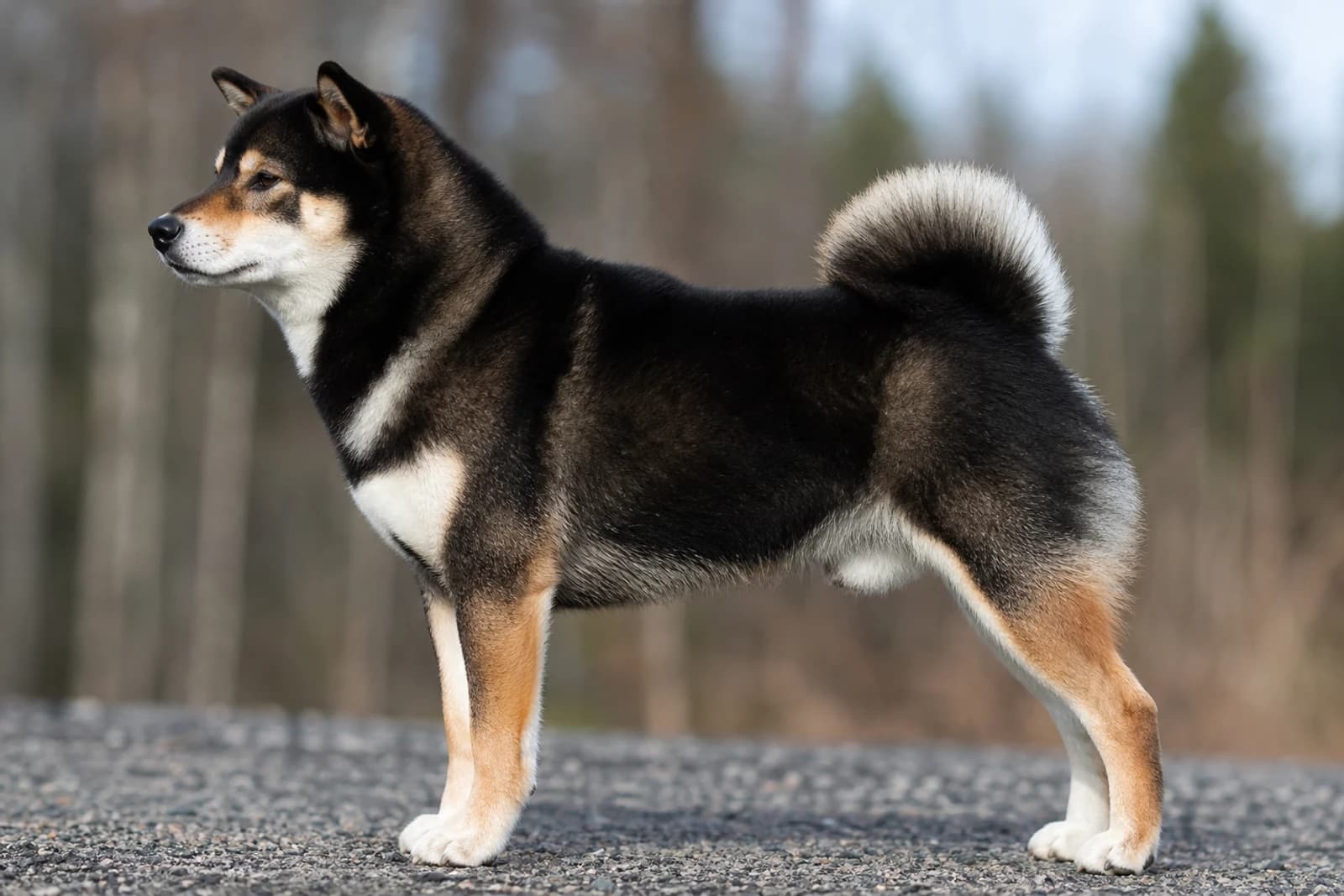
The Shiba Inu is a spirited and alert breed from Japan, originally used for hunting in mountainous terrain. With their fox-like appearance and confident, independent nature, they are best suited for experienced dog owners who can provide firm, consistent training. Devoted to their families, they can be aloof with strangers and have a high prey drive, making early socialization crucial. Their double coat sheds heavily and requires regular grooming. While adaptable to apartment living with sufficient exercise, their stubborn streak makes them a challenge for first-time owners.
At a glance
- Size
- Medium
- Height
- 15–16 in
- Weight
- 15–24 lb
- Life span
- 12–15 years
- Coat colors
- red, black, white, sesame
- Coat type
- Short double coat with a stiff outer layer and soft undercoat
- Group
- Spitz-Type
- Origin
- Japan
How much does a Shiba Inu cost?
Adopt / rescue
$100–$450
Usually includes spay/neuter, first shots, and a microchip.
Buy from a breeder
$1,200–$3,000
From a reputable, health-testing breeder.
Approximate USD. Prices vary widely by region, breeder, pedigree, age, and coat colour — adopting is the lower-cost and recommended route. Avoid suspiciously cheap “breeders”; they’re often puppy mills.
Estimate the full cost of a Shiba Inu →Shiba Inu photos
Views
Front, side, rear and top — the full silhouette.Poses
How the breed sits, lies, moves and plays.Puppy to senior
The breed across its whole life.Expressions
The breed’s range of moods.Close-up details
Eyes, ears, nose, paws, tail and coat.Coat colors
The breed’s recognized colors.Click any photo to enlarge. We show the Shiba Inu from every angle — three views, poses, life stages, expressions, close-ups, coat and colors.
Appearance & size
A Shiba Inu looks like a fox drawn with bold, clean lines — compact, square-proportioned, and always on alert. Males and females stand 15 to 16 inches at the shoulder and weigh between 15 and 24 pounds. That moderate size packs a sturdy frame: the chest is deep, reaching roughly half the height at the withers, with ribs moderately sprung to create an oval silhouette when you look down from above. From the side, the back runs straight from shoulders to the base of the tail — no dip, no exaggerated sway. Forelegs slope cleanly at the shoulder, elbows stay tight against the body, and the paws sit as wide as the chest. Muscular hind legs mirror that width, with powerful hocks that drive a brisk, efficient trot.
The face is what people remember first. Deep-set, dark brown eyes tilt upward at the outer corners, giving the breed its sharp, knowing expression. Ears stand naturally erect — triangular, slightly forward-leaning, with a straight inner edge and a gently rounded outer edge that never spills past the width of the head. Males have a broader muzzle and a more powerful, dignified look; females are finer-boned with a softer eye, though both radiate intelligence. A healthy ear shows a pale pink interior, and the nose stays moist when the dog’s awake (drying off during a nap).
Shibas wear a dense double coat: a coarse, weather-shedding outer guard layer over a soft, pale undercoat. Multiple hairs grow from a single follicle, forming a protective cushion that blocks UV rays and insulates against heat and cold. The coat comes in red, black and tan, white, and sesame. Red pups often shed a dark, sooty overlay by their first birthday, and some dogs flash an M-shaped marking on the forehead during heavy seasonal shedding.
Then there’s the tail — thick, strong, and nearly a second face. It either curls tightly over the back in a single, double, or drum curl, or hangs straight (a rarer but correct form). Stretched out, the ideal tail reaches the hock. A well-set tail never looks limp; it’s a live barometer of mood and a hallmark of the breed. The overall picture is a nimble, athletic dog built to cover ground effortlessly, with a coat that demands a serious relationship with your vacuum. Twice-a-year blowouts fill trash bags with undercoat, and a fine layer of hair — call it Shiba glitter — is a year-round houseguest.
History & origin
The Shiba Inu’s story starts roughly 12,000 years ago, when dogs traveled with the Jomon people to the Japanese archipelago. Those early dogs weren’t companions in the modern sense — they earned their keep as tenacious hunters and alert watchdogs, working the dense underbrush of Japan’s mountains and forests.
A wave of new dogs arrived from the Asian continent during the Yayoi period (about 2,300 years ago). They interbred with the native Jomon dogs, and over centuries that mix solidified into the recognizable prototype of all native Japanese breeds. For most of that time, the Shiba remained a practical, no-fuss hunting dog, flushing birds and small game out of thick cover.
By the Meiji era (late 1800s), imported Western breeds threatened to dilute the pure bloodlines. A preservation movement took hold, and in 1928 the Nihon Ken Hozonkai (Japanese Dog Preservation Society) was founded to maintain pedigrees and breed standards. The modern Shiba we know today descends almost entirely from a handful of survivors. The foundation sire, Chū, was born from a male named Ishi out of Shimane Prefecture and a female named Koro from Shikoku. That narrow genetic funnel didn’t emerge by accident; war and distemper outbreaks nearly wiped the breed out, and careful line breeding pulled it back from the brink.
The breed earned Natural Monument status in Japan during the early Showa period (1930s), alongside other native dogs. The name itself is a clue to its origin: “Shiba Inu” simply meant “small dog” in old Japanese — a working label that later became fixed.
Shibas are what geneticists call a basal breed, meaning they sit unusually close to wolves on the canine family tree. That shows up in practical ways: the puppy socialization window slams shut earlier than in many breeds, sometimes within a few weeks after birth. If you’re bringing a Shiba home at eight weeks, you’re already working with a mind that’s more independent and less naturally tuned to human guidance. That wiring makes sense when you remember the breed was never coddled indoors — it was a rugged outdoor hunting dog that had to think on its feet and survive without a handler micromanaging it.
Temperament & personality
A Shiba Inu is not your typical eager-to-please dog. Think of the most self-possessed cat you’ve ever met, then add a rustic, fox-like coat and an unshakeable sense of dignity. This is a breed that offers loyalty on its own terms. You’ll earn quiet companionship and a wicked sense of humor, not a velcro shadow. Many Shibas prefer to keep a comfortable distance—curling up across the room rather than in your lap—and that reserved nature is bred into them.
Male vs. female: a real split Shibas show more sexual dimorphism in personality than most breeds. Males lean valiant and calm, with a self-possessed, watchful presence. They carry strong territorial and guarding instincts, yet rarely waste a bark. When trouble shows up, they bring reliable courage without drama. Females are the household readers: perceptive, gentle, and quick to pick up on mood shifts. They’re often more nurturing and deliberate, sizing up a situation before they act. Neither sex is clingy, but the way they show devotion is noticeably different.
Watchdog with a capital W Once a Shiba hits about a year old, the territory switch flips on hard. They won’t bark aimlessly, but they will alert you to every delivery, visitor, or squirrel daring to cross the property line. Without early management, that alertness can tip into persistent barking at strangers or outright suspicion of anyone who comes to the door. Shibas kept mostly outdoors may escalate to aggression toward visitors, so supervised introductions and solid boundaries matter.
Household behavior and the handling hang-up These dogs are fastidiously clean—often house-training themselves once they discover outdoor walks and will hold their urine for surprisingly long stretches to avoid soiling their space. But don’t mistake cleanliness for cuddliness. Many Shibas genuinely dislike being grabbed, hugged, or restrained, and a vet exam can turn into a wrestling match if you haven’t desensitized them to handling. Start gentle touching early, and respect their no-thank-you signals.
Independent to the core Shibas come with a stubborn streak that can make training feel like a negotiation. Some individuals soften into gentleness; others double down on doing things their way. They need a reason to cooperate, not just a command. Their natural instincts are to dig, chase, and escape—young Shibas especially are known for excavating under fences or vanishing after a scent. Give them a solid hour of off-leash running or a long sniff-walk, plus puzzle toys that actually challenge that clever brain, or they’ll find their own job—and you probably won’t like it.
Quirks you’ll live with A Shiba’s idea of affection may be sitting near you with a satisfied “hmph.” Some choose outdoor independence even when an indoor bed is offered; others shadow you from room to room without ever touching you. They can be vocal when stressed, but the famous “Shiba scream” is usually reserved for nail trims or unwanted restraint. Socialization needs to be thorough, because a Shiba who wasn’t exposed to new people and dogs early often grows into an anxious, reactive adult. Respect their individual tolerance—some will never be a dog-park dog, and that’s fine. Accept the aloofness, appreciate the fierce loyalty, and you’ll have a companion with an honesty that’s hard to find anywhere else.
Good with kids, dogs & other pets
Shiba Inus form deep family bonds, but they’re more like a roommate who loves you than a dog who lives for cuddles. They appreciate personal space and can get snappy if cornered or hugged tightly by a small child who hasn’t learned boundaries. Supervise all interactions between young kids and a Shiba. They do best in homes where children are old enough to understand that the dog walks away when he’s done socializing, and that chasing him will only make him grumpy. The breed is not naturally aggressive, but its patient temperament depends on mutual respect. Let the dog approach on his terms, and teach children to reward that choice with a tossed treat instead of reaching for a collar.
Start socialization early — the window between 3 and 14 weeks is critical. Expose your puppy gently to calm kids, strollers, squeaky toys, and all the unpredictable noise a family makes. Continue those positive experiences through adolescence, or you’ll end up with an adult who’s skittish around new people. Have visitors hand-feed him treats so he associates outsiders with good things instead of turning into a one-person guard dog. And keep your own departures and returns boring: a big, emotional goodbye just fuels anxiety later.
With other dogs, a Shiba’s cooperativeness comes with an asterisk. Many are same-sex selective or outright intolerant of unfamiliar dogs. Puppy socialization classes help, but don’t expect a dog who’ll romp mindlessly at a busy dog park. A calm, neutral older dog in the household often works if introductions are slow and supervised. Watch for stiff posturing or a hard stare — those are your cue to separate before anything escalates. Two intact males in one home is a recipe for constant management headaches.
Cats and small pets bring out the hunter. The Shiba’s prey drive is hardwired and lightning-fast. A cat raised with the dog from puppyhood might earn a pass, but never leave them alone together without a solid “leave it” command and a physical barrier as backup. Rabbits, guinea pigs, hamsters — those are just squirrels with better PR. Secure enclosures and separate rooms are non-negotiable. If your household includes critters that dart or squeak, you’ll need the whole family on the same page about doors and gates, because one slip is all it takes.
Trainability & intelligence
A Shiba Inu learns quickly—when she wants to. This is a dog that’s smart enough to figure out puzzle toys in seconds but independent enough to weigh whether your request is worth her time. Approach training as a partnership where the dog has a vote. Bribery isn’t cheating; it’s strategy. Use tiny, stinky, high-value treats (freeze-dried liver, shredded chicken) and deliver them the moment the behavior happens. Praise, but keep it low-key: reward calm compliance, not bouncy excitement.
- Motivation: Food and genuine calm from you. Punishment or a hard voice shuts a Shiba down fast and erodes trust. Short, daily sessions—5 to 10 minutes—work better than drilling. If either of you is frustrated, stop and try later.
Touch sensitivity is real—start desensitizing now
Many Shibas default to “don’t touch me.” You can’t just spring nail trims and harnesses on them later. Begin day one by pairing every touch with a high-value treat: massage paws, peek inside ears, lift lips to check teeth, and run hands along the belly and legs. Hand-feeding meals for the first few weeks creates a positive association with human hands and reduces mouth shyness. Get them wearing a harness indoors, and practice double-clipping leashes before ever unclipping outside—a Shiba that learns she can bolt at that moment never forgets it.
Socialization has an expiration date
Shibas have a condensed sensitive window, roughly 3 to 14 weeks, so early exposure isn’t optional. Introduce new people, calm vaccinated dogs, sounds, and surfaces during this period. But never force an interaction. A Shiba who is pushed into a scary situation will dig in and become more fearful. Let her observe from a distance and approach on her own terms. Reward every brave choice with a treat. Patient, puppy-led introductions build lasting confidence.
Commands that save your sanity
- “Come” is a non-negotiable lifeline for an escape-prone breed. Practice until recall is reflexive, and always reach for the collar and give a treat before releasing—so returning to you doesn’t signal the end of freedom.
- “Drop it” is the other emergency button. Train it by trading a forbidden object for a better treat, or by pausing a tug game until the dog releases on her own. Reward heavily.
- “Watch me” builds a line of communication when distractions hit. Lure eye contact with a treat, mark, and pay.
- “Sit” is taught by luring the nose upward so the hindquarters lower naturally.
- “Down” should be trained from a standing position, not from a sit, to avoid chaining the two together.
- “Off” manages furniture guarding without confrontation: use a food lure to guide the dog down and reward generously.
- Bite inhibition starts right away. If teeth touch skin, yelp sharply and withdraw attention for a few seconds. Resume play when the mouth is soft.
Lean into their natural tidiness
Shibas are fastidious by nature, which makes potty training and crate training smoother. Set a consistent routine and they’ll usually catch on quickly. Feed all meals inside the crate and occasionally stash surprise treats there so it becomes a safe den, not a cage.
Training a Shiba Inu isn’t about imposing your will; it’s about building enough trust and positive history that the dog chooses to cooperate. That requires patience, a steady stream of treats, and a willingness to laugh when your smart, stubborn dog out-negotiates you.
Exercise & energy needs
A 15-pound Shiba doesn’t need a marathon, but he absolutely needs more than a few quick trips around the block. Plan on 60–90 minutes of real exercise every day, split into at least two sessions. A single long walk can work, but most Shibas do better with a pair of brisk 30–45 minute outings—something that covers ground and lets them use their nose, not a sniff-and-pause amble. These dogs were built to hunt and flush small game in rugged terrain, and a short leash stroll around the neighborhood barely scratches the itch.
Start every walk with 10 minutes of hard play. A rousing game of fetch, a flirt pole, or a tug session burns off the first rocket-boost of energy and cuts down dramatically on the pulling that’s so common when a Shiba locks onto a squirrel or an interesting scent. Because their recall can be spotty, a long line in a safe field gives you a taste of off-leash freedom without the runaway risk—ideal for sprinting, chasing a ball, or following their nose.
Mental work isn’t optional; it’s part of the energy equation. A bored Shiba with pent-up drive will remodel your baseboards. Indoor scent games, hide-and-seek, and puzzle feeders turn mealtime into a job. Teaching them to find a hidden toy or scattered treats taps their natural persistence and wears them out faster than another lap of the same old route.
Give them a legal digging zone. A sandbox or a designated dirt patch with buried toys works as both exercise and enrichment. It satisfies an instinct that otherwise lands on your azaleas. Even on rainy days, a few rounds of stairway fetch or a snuffle mat tucked under furniture keeps the body moving and the brain engaged.
- Young, healthy Shibas: Two 30–45 minute walks, plus 15–20 minutes of intense play (fetch, flirt pole, digging). Add a training session that demands self-control.
- High-energy individuals: A 60-minute hike or a long-line sprint session pairs well with a shorter evening walk.
- Senior dogs: Scale way back. A couple of 15–20 minute sniffy strolls on soft ground and gentle play in the yard keep muscles working without stressing stiff joints. If walking becomes difficult, carrying them outside for fresh air and new smells still counts as quality exercise.
Joint health matters. Shibas can be prone to patellar luxation and hip issues, so avoid high-impact jumping, sudden stops, and hard pavement pounding—especially for puppies and older adults. Multiple shorter sessions are safer and more satisfying than one punishing workout. When the weather is foul, indoor scent work and a flirt pole in the basement will get you through.
A Shiba who’s properly exercised isn’t just a tired dog; he’s a dog who can finally settle, listen, and look at you like a partner instead of a warden. Hit that daily quota of movement and mental challenge, and you’ll have a calmer, more cooperative housemate—and a lot less shredded furniture.
Grooming & coat care
The Shiba Inu’s double coat is a serious shedding machine. Twice a year—typically spring and fall—the soft undercoat blows out in clouds, and daily brushing becomes non-negotiable if you want to keep fur off every surface in your home. During the rest of the year, a thorough brushing two or three times a week usually does the job.
Use a pin brush or a shedding rake, and always work in the direction the hair grows. Start on the back and sides where most dogs are more relaxed, then move to the ruff, chest, and hindquarters. A warm, damp towel wiped over the coat before brushing can open the pores and loosen dead hair. When you brush around the face, support the chin with one hand and use a soft brush. For the hind legs and tail, cup your free hand over the anal and genital areas so a brush stroke doesn’t catch sensitive skin. Hold the ear gently between your fingers when working around it. If you notice stiffness or whale eye, stop. Shibas are notorious for being drama queens about handling, so never force a session. Keep it short, bribe with high-value treats, and brush when the dog is already tired and content.
Puppies lose their fuzzy puppy coat around three months old. Don’t be alarmed if a temporary M-shaped mark shows up on the forehead; that fades as the adult guard hairs grow in. The outer coat is coarse and weather-resistant, so bathing is rarely needed—perhaps a few times a year or when the dog genuinely smells like a bog. Over-bathing strips the oils that protect the skin. Between baths, wipe the face, paws, back, and anal area with a wet wipe after walks. This catches ticks, foxtails, and road grime, and it cuts down on the “Shiba scent” that can build up between seasons.
Nail trims are often a battle. Start in puppyhood, even if you’re just touching paws with the back of your hand (fingertips can feel threatening). Use a lick mat smeared with peanut butter and trim one nail at a time over several days if that’s what it takes. For ear cleaning, a quick wipe with a damp cotton ball while the dog is distracted works; never dig into the canal. Dental care gets the same early-and-often rule: a finger toothbrush or a child’s soft brush with dog-safe toothpaste, aiming for a few teeth per session until the dog accepts it.
A thick double coat can make a properly fitted collar look snug. Check that you can slip two fingers under it easily. And when the great shed is on, contain the blizzard—brush at home, not on the sidewalk, and be mindful that a cloud of undercoat drifting over to a neighbor’s patio doesn’t exactly make friends.
Shedding & allergies
Shiba Inus are prolific shedders — there’s no sugarcoating it. They sport a thick double coat that dumps an astonishing amount of fur twice a year, once in spring to release the winter undercoat and again in fall to make room for the new one. This seasonal blowout usually lasts a few weeks and can leave your home looking like it snowed. At peak shed, some Shibas even develop a temporary M-shaped pattern on their forehead where the undercoat loosens first.
Between blowouts, you’ll still deal with a steady trickle of hair. If your Shiba lives mostly indoors, artificial light and climate control can confuse the natural cycle, often leading to a continuous low-grade shed all year long. So, “heavy shedder” is the permanent label.
The good news: Shibas rarely drool. A dry mouth means that’s one less mess. The bad news: all that airborne hair and dander makes them a poor choice for allergy sufferers. They are absolutely not hypoallergenic.
- Brushing is your main defense: Aim for a thorough brush-out at least a couple of times a week, and daily during the blowout months. A quality undercoat rake or slicker brush pulls out dead fluff before it lands on your couch.
- Watch for abnormal shedding: Bare patches, red skin, or a massive year-round shed that doesn’t match the seasonal rhythm warrants a vet visit. Excessive hair loss can signal thyroid issues, allergies, or stress.
A good grooming routine keeps the fur tumbleweeds manageable and gives you a regular chance to spot skin problems early.
Diet & nutrition
Shiba Inus are just the right size to trick you into overfeeding. At 15–24 pounds, even half a pound of extra weight shows fast on their compact frame—and puts real stress on their joints. Treat this breed like the easy keeper it often is. Obesity tends to creep up when table scraps become a habit and exercise doesn’t keep pace. A Shiba that learns to work you for extra snacks will absolutely do it, so set guardrails early.
Daily portions for an adult
A moderately active adult Shiba typically needs 1 to 1¼ cups of high-quality dry food per day, split into two meals. That’s a starting point—always cross-check the bag’s feeding chart and, more importantly, keep an eye on the waistline. You want a visible tuck from the side and ribs you can feel with your fingers but not see. If the ribs disappear, dial back the kibble and swap some treats for a few green beans or a piece of carrot.
Puppy and senior adjustments
- Puppies up to 4 months: four evenly spaced meals.
- 4–6 months: three meals.
- After 6 months: transition to the adult two-meal rhythm.
When you bring a Shiba puppy home, change its diet gradually—start with lightly cooked and puréed meats, fish, fruits, and vegetables, or a high-quality commercial puppy formula. Raw meaty bones like a small chicken wing can be introduced around 12 weeks, always under supervision.
Senior Shibas (roughly 10+ years) often slow down. Their calorie needs drop, so reduce portions gradually to match their activity level. If your older dog struggles to crunch hard kibble, soften it with warm water or switch to a softer recipe under your vet’s guidance. Elevating the food bowl a few inches can also ease neck and shoulder strain. For dogs with missing teeth or tender mouths, puréeing meals helps them absorb nutrients without pain. Some old dogs do better on three smaller meals rather than two larger ones—follow your dog’s lead.
What’s in the bowl matters
A species-appropriate diet is built around meat. Vegetarian or vegan diets aren’t a natural fit for a dog’s digestive system, so don’t impose one on your Shiba. If you go the homemade route, a common target is roughly 60% raw or cooked meat, 20–30% dog-safe fruits and vegetables, and 10% other ingredients like eggs, grains, or plain yogurt. Because dogs lack salivary digestive enzymes and their jaws only move vertically, blending or processing the meal significantly improves nutrient absorption. Wholesome add-ins like canned fish (in water, no salt), cooked eggs, or pearl barley give you quick, healthy variety without the guesswork.
Prevent speed-eating with a puzzle bowl or snuffle mat. It slows your Shiba down and gives that busy brain a job to do—doubling as a mental workout. And after holiday dinners, resist the urge to share rich leftovers. A single fatty meal can trigger pancreatitis in a small, lean dog. If you want to use cooking water from vegetables as a flavour boost over kibble, make sure it’s unsalted and free of onion or garlic. Cook extra grains and proteins on the weekend so you always have a clean, ready-to-use base for the week ahead.
Health & lifespan
Count on 12 to 15 years with a Shiba Inu — these sturdy little fox-faced dogs age gracefully when you start with a healthy foundation. Responsible breeders screen breeding stock for hips, knees, and eyes through organizations like OFA or PennHIP and CERF, which cuts down the odds of inherited problems cropping up later.
Shibas can be prone to joint and spine issues as they age. Degenerative spondylosis, osteoarthritis, and spinal disc compression cause pain, weakness, or a stiff, hesitant gait, especially in dogs that carry extra weight. Hip dysplasia and patellar luxation (a kneecap that pops out of place) may show up as bunny-hopping, lameness, or trouble getting up from a nap. Keeping your dog lean and sticking to controlled exercise helps, though severe cases sometimes need surgery.
Their bright, dark eyes aren’t trouble-free. Cataracts cloud the lens and reduce vision; surgery works but means lifelong eye drops. Glaucoma builds painful pressure that can steal sight fast, and keratitis — inflammation of the cornea from an irritant or infection — needs quick treatment with prescription drops. Alert eyes also trap grass awns and debris after a hike, so give them a once-over when you come in from tall grass.
Many Shibas get carsick, especially as pups. Short trips with a seatbelted carrier reduce the mess and the stress. On the flip side, the breed’s famous independent streak means they often hate being restrained or handled. Start gentle desensitization to touch, nail trims, and mouth exams early, or routine vet visits turn into a wrestling match — and a stressed Shiba may hold urine to the point of triggering a urinary tract problem.
As they reach old age, cognitive decline (doggie dementia) can appear: pacing, nighttime vocalizing, house-soiling, and unexplained weight loss. Senior Shibas also frequently lose teeth and jaw strength, making hard kibble a chore, so you’ll need softer food options. An indoor potty station trained early becomes a gift when icy steps or arthritis make outside trips painful.
Behaviorally, a Shiba spinning in tight circles isn’t always just being silly. Obsessive tail chasing that leads to raw skin or interferes with normal life may be a stereotypic disorder — consult a veterinary behaviorist, not just a trainer.
Preventive care keeps common threats at bay. Monthly heartworm prevention is non-negotiable; infected mosquitoes can cause fatal lung and heart damage. A kennel cough vaccine and a steady deworming protocol protect against contagious respiratory infection and parasites like roundworms that cause diarrhea and anemia. Acute gastritis from scarfing a sock or toxic plant can turn into a surgical emergency in hours, so lidded trash cans and dog-proof cabinets aren’t a luxury.
During grooming, run your hands over the skin for any new lumps, bald spots, or irritation, and have a vet look at anything that doesn’t clear up quickly. Teaching your Shiba to accept handling from day one pays off in a lifetime of lower-stress vet visits.
Living environment
A Shiba Inu can live happily in an apartment, a house with a yard, or even a well-managed outdoor setup—as long as you stay one step ahead of their escape artistry and noise potential.
Apartment or house?
Shibas are medium-sized (15–24 pounds) and naturally clean, so they fit into apartment life without much trouble. The catch: they shed heavily, and they’ll bark when someone approaches the front door or a stranger walks past the window. Plan on daily brushing or a good robot vacuum, and limit their street view with frosted window film or furniture placement. They don’t need a sprawling yard, but they need a couple of solid walks every day plus a chance to sniff, hike, or dismantle a food puzzle. Indoor play areas must be slip‑free and free of stairs while joints are still growing.
Yard and fencing
If you have a yard, treat it like a high-security pen. Shibas dig, climb, and wriggle through gaps that wouldn’t fit a cat. A sturdy fence should extend at least a foot underground (an L-shaped dig guard helps) and rise high enough to foil a 3-foot vertical leap. Place the dog’s outdoor shelter close to the house, away from property edges and road noise, so they still feel like part of the family. Even a penned Shiba needs your company—don’t relegate them to far-corner isolation.
Climate and outdoor safety
That plush double coat is built for cold Japanese winters; a Shiba will bound through snow and find a sunny spot to bask in even chilly weather. But summer heat hits hard. Always provide shade, multiple water bowls, and a cool surface like a shaded tile or damp mat. In really hot spells, bring them indoors during peak hours. For dogs who live outside, winter shelters need blankets, windbreaks, and a raised floor. Unspayed females in season must be locked in a fully secure enclosure—a motivated suitor will scale a 6-foot fence.
Barking and neighbors
Territorial alert barking is part of the package. They won’t yap nonstop, but they will announce every delivery, squirrel, and suspicious leaf. In a close-quarter setting, reduce the triggers by giving them a defined outdoor zone that doesn’t overlook the sidewalk, and bring them inside before they get overstimulated. A crate with a cloth cover becomes a dim, calm den where they can’t see the street.
Being left alone
Shibas aren’t clingy; they can handle 4–6 hours alone if you’ve already burned off their energy. Without that prep, boredom sparks digging, chewing, or escape attempts. Leave a frozen stuffed Kong or puzzle feeder, and provide a safe pen with clearly separated zones: bed and food on one side, a pee pad toilet on the other. Never use the pen as punishment—feed meals inside and keep the door open so your Shiba treats it as a den, not a trap. For senior dogs who might wander, double-check doors and windows and consider padded fencing if they pace or have accidents.
The indoor potty backup
Shibas are fastidious, and many take to pad or tray training right away. Teaching them to relieve themselves indoors from puppyhood is a lifesaver during storms, illness, or old age. Males often lift a leg, so set a pee pad-wrapped plastic bottle nearby as a vertical target. A quick outdoor walk as a reward for indoor elimination solidifies the habit. Even after your Shiba prefers to go outside, keep a pad station available—typhoon season or a sudden snowfall won’t derail your routine.
Who this breed suits
A Shiba Inu fits a very specific kind of home — and it’s rarely the one that just wants an easy-going, eager-to-please companion. These are fiercely independent, ancient spitz-type dogs from Japan (15–16 inches tall, 15–24 pounds) and they act like it.
The right owner
You’ll thrive with a Shiba if you genuinely enjoy a dog with a mind of its own — one who questions commands, weighs the value of a treat before obeying, and can be outright theatrical when thwarted. Experienced dog people who appreciate clean, cat-like housemates often click with the breed. Singles and couples with a predictable schedule, a securely fenced yard, and a sense of humor are the sweet spot. Active families with older, dog-savvy kids (say 8+) can work, provided everyone respects the Shiba’s low tolerance for manhandling or clumsy hugs.
Plan on a solid 45–60 minutes of daily physical and mental work — not just a leash stroll, but off-leash sprints in a secure area, puzzle toys, or nose games. A tired Shiba is a better-behaved Shiba, but they’re never going to be velcro dogs. They are loyal to their people, not slavish. That aloofness with strangers is a feature, not a bug.
Who should think twice
- First-time dog owners: The Shiba’s stubbornness, escape-artist skills, and dramatic screams (yes, screams) can overwhelm someone still learning basic training. Recall is famously unreliable; a dropped leash can mean a self-guided tour of the neighborhood.
- Families with toddlers or small pets: High prey drive means cats, rabbits, or even small dogs can trigger a chase — and a Shiba doesn’t always stop. And a toddler who pulls fur may get an air snap.
- Those wanting a dog-park regular or off-leash hiking buddy: Unless the area is entirely fenced, a Shiba’s independent streak will have you chasing a flash of red, black, white, or sesame into the sunset. A standard 4-foot fence is a suggestion; a 6-foot fence with dig guards is a necessity.
- House-proud neat freaks: Twice a year, these dogs “blow coat” in an explosion of fluff that coats furniture, floors, and your clothes. Regular brushing helps, but the shed is real.
- Seniors or anyone unsteady on their feet: A 20-pound Shiba hitting the end of a leash after a squirrel can pull hard enough to cause a fall.
If you can laugh off a dog who outsmarts your best plans and you’re willing to earn their respect rather than demand it, the Shiba Inu’s mix of dignity, loyalty, and mischief is deeply rewarding. If you’re picturing a biddable shadow who lives to please, take a hard pass — you’ll both be frustrated.
Cost of ownership
A well-bred Shiba Inu puppy from a health-testing breeder typically lands between $1,500 and $3,000. Rare colors or show-line parents push the price higher. Rescue adoption runs $200–$400 — far less, but waitlists are long. Steer clear of backyard breeders asking under $1,000; you’re likely buying into allergy-prone, poorly socialized lines that cost far more down the road.
Once home, a Shiba’s monthly upkeep runs $100–$200, depending on your choices.
- Food: $30–$50. A 15–24 lb Shiba needs about 1–1.5 cups of quality kibble per day. Allergies are common, so many owners end up on limited-ingredient or fresh-food plans that can double this cost.
- Vet & prevention: $40–$70 averaged monthly. Annual exams, vaccines, heartworm, and flea/tick prevention make up the base. Allergies, luxating patellas, and glaucoma crop up in the breed, so a surprise vet visit can spike this number quickly.
- Grooming: $0–$25 most months. A quick weekly brush handles the stiff outer coat, but twice a year they “blow” a staggering amount of undercoat. Many owners pay for a professional deshedding bath ($60–$80) during those seasonal molts.
- Pet insurance: $30–$50. A policy that covers hereditary conditions is smart here. Allergy diagnostics and patella surgery easily hit $2,000–$4,000 without it.
- Treats, toys, misc: $20–$40. Shibas destroy flimsy toys and get bored fast. Budget for food puzzles, durable chews, and an escape-proof harness — they’re notorious Houdinis.
Initial supplies (crate, bed, bowls, collar, leash, microchip) add $300–$600 your first month. Over a 13-year lifespan, expect to spend $20,000–$30,000 before any major emergency.
Choosing a Shiba Inu
Breeder or Rescue?
Shiba Inus land in rescue more often than people expect — not because they’re bad dogs, but because their fox-like looks sell a picture that doesn’t match the reality of living with a clever, independent, high-prey-drive animal. If you’ve never shared a home with a primitive breed, adopting an adult through a Shiba-specific rescue lets you skip the landshark puppy phase and know exactly what you’re getting around kids, cats, and delivery trucks. The trade-off: many rescues come with unknowns about early socialization or health history.
A responsible breeder gives you a puppy whose parents were screened for inherited problems and raised with early neurological stimulation. That matters. Done right, you’re not just buying a pup — you’re buying a long-term support line from someone who knows the line’s temperaments inside out and will take the dog back at any age. Expect a waitlist. Good Shiba breeders produce maybe one or two litters a year, not a constant supply.
Health Clearances to Ask For
Don’t settle for a “vet-checked” sticker. Ask to see the actual paperwork, and run if the breeder hedges. For Shibas, the non-negotiables are:
- Hips: OFA certification (fair or better) — hip dysplasia pops up enough that you want documented results, not a guess.
- Patellas: OFA patella evaluation — luxating patellas are frustratingly common, and surgical correction isn’t cheap.
- Eyes: CAER (formerly CERF) exam done within the last year by a veterinary ophthalmologist. Shibas can inherit glaucoma, cataracts, and progressive retinal atrophy.
- GM1 gangliosidosis DNA test: This fatal neurological disease exists in the breed, and a simple cheek swab tells you if both parents are clear. There’s no treatment; honest breeders eliminate risk entirely.
A written health guarantee is standard, but it’s the pre-breeding tests that do the actual work. If the breeder can’t hand you a folder with OFA numbers and lab results, walk.
Red Flags
Trust your gut when something feels too easy. Specific things that should make you close the browser or excuse yourself from the meetup:
- No proof of health clearances, or claims they “tested through the vet” and lost the paperwork.
- Litters always available, multiple breeds for sale, or PayPal deposits on a flashy website.
- Puppies you can’t observe with their mother — or a mother who’s hidden, fearful, or visibly unhealthy.
- Releasing pups before 8 weeks (some states mandate 8 weeks; a breeder pushing for 6 or 7 is cutting corners).
- Zero questions about your home, yard fencing, or breed experience. A good breeder interviews you harder than you interview them.
- Prices that look like a clearance sale. Scrimping on health testing, titling, or proper puppy rearing keeps the sticker price low and passes the real cost to you.
Picking Your Puppy
Even within a healthy, well-socialized litter, personalities differ sharply. Sit down and watch. The pup that barrels into your lap first might be a confident handful; the one who hangs back and sizes you up isn’t broken — she might be your calmer, more calculating type. Avoid puppies that freeze, cower, or snap when handled gently unless you’re an experienced handler and want a project. Most families do best with the middle-of-the-pack puppy: curious without being reckless, responsive to people but not needy.
A skilled breeder will match you based on your lifestyle and goals, so be honest. If you have cats, say so. If you live in an apartment, mention it. The breeder has watched these pups for weeks and knows which one fixates on moving toys, which one startles easily, and which one will bolt through an open door if given half a chance. Listen to that guidance.
Set your home up before pickup day — and by that, I mean check every fence board, gate latch, and crawlspace. A 15-pound Shiba puppy can flatten itself through a gap you’d swear was too small, and once their prey drive kicks in, recall is a negotiation, not a given.
Pros & cons
Pros
- Fastidiously clean: Shibas groom themselves like cats, housebreak with surprising ease, and carry almost no “doggy” odor. They’ll hopscotch over puddles on walks rather than get their feet wet.
- Quiet guardians: Barking is rare. You’re more likely to hear a grumble or the infamous Shiba scream when they’re unhappy, yet they stay naturally alert and watchful.
- Confident, compact build: At 15–16 inches and 15–24 pounds, they’re a solid medium size. They can thrive in an apartment or on acreage – as long as they get real exercise, yard size matters less.
- Long-lived & hardy: A well-bred Shiba often reaches 12–15 years with fewer inherited problems than many purebreds, thanks to a sturdy spitz constitution.
Cons
- Fiercely independent: “Come” feels optional to them. Training takes creativity and a sense of humor because they’re not wired to please – they’ll weigh your request before deciding whether it’s worth their time.
- Escape artist with high prey drive: A squirrel, a cat, or a blowing leaf can trigger a full-speed chase. A securely fenced yard is non-negotiable, and off-leash freedom outside it is a gamble you’ll lose.
- Heavy seasonal shedding: Twice a year they blow coat, and your home turns into a snow globe of loose fur. For a few weeks, daily brushing is the only way to keep the tumbleweeds under control.
- Reserved, not a lap dog: They bond deeply but show it by following you from room to room, not by cuddling. Early socialization helps, yet many remain aloof with strangers and can be scrappy with dogs of the same sex.
Similar breeds & alternatives
If the Shiba’s fox-like looks and independent spirit appeal to you but you’re not completely sold on the full package, a handful of other breeds scratch a similar itch. Each comes with its own trade-offs.
Akita
The Akita is the Shiba’s big, serious cousin — 24 to 28 inches tall and 70 to 130 pounds of aloof dignity. You get the same clean, cat-like fastidiousness and quiet devotion to family, layered with heavy guarding instinct. They shed a blizzard twice a year and can be remarkably stubborn, often challenging a timid owner. This is not a next-step dog; it demands experience and a firm, patient hand.
Korean Jindo
If you love the Shiba’s pristine house manners, the Jindo doubles down. Many essentially housebreak themselves. They’re slightly larger (30–50 pounds), intensely loyal, and often pick one person as their sun and moon. The catch: their prey drive is razor-sharp and they’re legendary escape artists — even more determined than a Shiba. A six-foot fence with dig guards isn’t overkill; it’s baseline.
Basenji
For those who’d trade the shedding for a smaller, almost odorless package, the Basenji fits. At 20–26 pounds, they have the same fastidious, feline personality and a clever, mischievous streak. They don’t bark, but they yodel, scream, and can scale chain-link like a cat. Training them requires negotiation, not commands — their “what’s in it for me?” meter is always running. They’ll open cabinets and gates with their paws just to prove a point.
Finnish Spitz
The Finnish Spitz brings a lively, talkative twist. Bred to bark on the hunt, they’ll give you a running commentary during play and walks. They’re more socially engaged with the whole family than a typical Shiba, but still stubborn and quick to tune out repetition. Expect a dense red-gold coat that blows heavily twice a year and a dog that needs real mental work — puzzle games, scent trails, or a solid run — not just a leashed stroll around the block.
Fun facts
- The Shiba Inu is among the oldest native Japanese dog breeds, dating back to 300 B.C.
- They are known for the 'Shiba scream', a loud, high-pitched sound made when excited or displeased.
- The breed nearly went extinct during World War II due to bombing and distemper.
- Shiba Inus are very clean dogs and often groom themselves like cats.
Frequently asked questions
- How much do Shiba Inus shed?
- Shiba Inus have a thick double coat that sheds heavily, particularly during seasonal changes in spring and fall. Regular brushing several times a week can help manage the loose fur, but be prepared for significant shedding throughout the home.
- How much exercise does a Shiba Inu need?
- Shiba Inus are moderately active and generally need a good daily walk plus some playtime or mental stimulation. They enjoy activities like hiking or puzzle toys, but their exercise requirements can usually be met with consistent, engaging routines.
- Can a Shiba Inu live in an apartment?
- Yes, Shiba Inus can adapt to apartment living if they receive sufficient daily exercise and mental enrichment. They tend to be clean and relatively quiet indoors, though their alert nature may lead to barking at unfamiliar sounds.
- Is a Shiba Inu a good first dog?
- Shiba Inus are often challenging for first-time owners due to their independent and sometimes stubborn temperament. They require patient, consistent training and early socialization to become well-adjusted companions.
- Do Shiba Inus bark a lot?
- Shiba Inus are not typically excessive barkers, but they are known for a distinctive high-pitched vocalization called the 'Shiba scream' when excited or unhappy. They may also bark to alert you to strangers or unusual events.
- Are Shiba Inus good with children?
- Shiba Inus can get along with older, respectful children who understand how to interact with dogs. Supervision is recommended, and early socialization is important to ensure positive interactions, as they may not tolerate rough handling.
Tools & calculators for Shiba Inu owners
Quick estimates tailored to Shiba Inus — pre-filled with this breed’s size where it matters.
Articles & stories about the Shiba Inu
Sources & standards
This profile follows recognized breed standards from the American Kennel Club (AKC) and the Fédération Cynologique Internationale (FCI), along with established veterinary and breed-club guidance. These describe general breed tendencies — every dog is an individual.
Owner stories
Have a Shiba Inu? Share your experience — grooming tips, personality quirks, anything goes.