

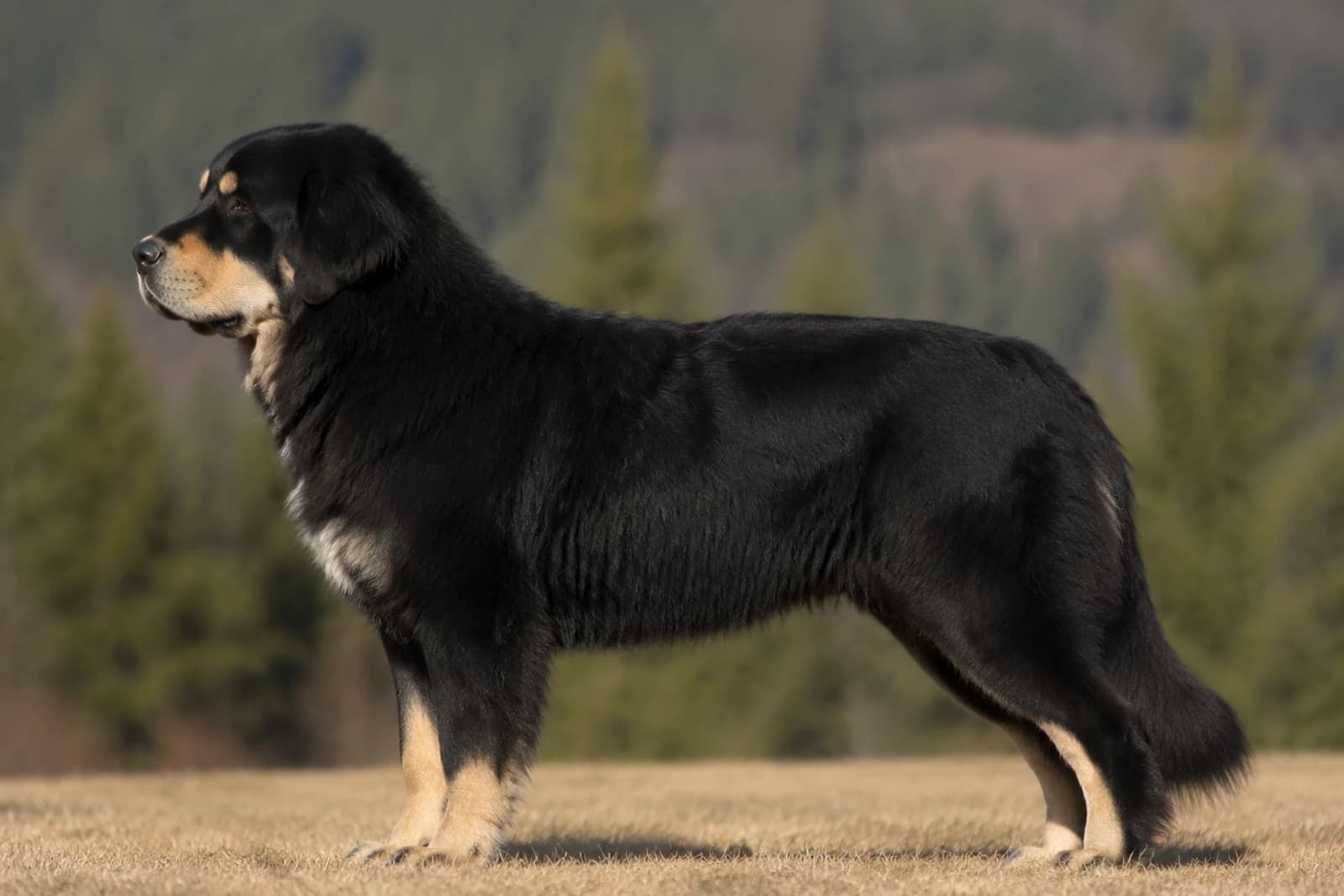
The Tatra Shepherd Dog is a calm and devoted giant, perfectly suited to experienced owners with ample space and a rural or suburban home. This breed thrives when given a job, excelling as a family protector and livestock guardian. With early socialization, they are gentle and patient with children, yet their independent nature and strong protective instincts demand a confident handler. They are not ideal for first-time owners or apartment living due to their size, barking, and exercise needs. If you seek a loyal, watchful companion with a majestic white coat, the Tatra may be your match, provided you can meet their considerable demands.
At a glance
- Size
- Giant
- Height
- 24–28 in
- Weight
- 79–130 lb
- Life span
- 10–12 years
- Coat colors
- White
- Coat type
- Dense, weather-resistant double coat
- Group
- Working
How much does a Tatra Shepherd Dog cost?
Adopt / rescue
$75–$400
Usually includes spay/neuter, first shots, and a microchip.
Buy from a breeder
$700–$2,000
From a reputable, health-testing breeder.
Approximate USD. Prices vary widely by region, breeder, pedigree, age, and coat colour — adopting is the lower-cost and recommended route. Avoid suspiciously cheap “breeders”; they’re often puppy mills.
Estimate the full cost of a Tatra Shepherd Dog →Tatra Shepherd Dog photos
Views
Front, side, rear and top — the full silhouette.Poses
How the breed sits, lies, moves and plays.Puppy to senior
The breed across its whole life.Expressions
The breed’s range of moods.Close-up details
Eyes, ears, nose, paws, tail and coat.Coat colors
The breed’s recognized colors.Click any photo to enlarge. We show the Tatra Shepherd Dog from every angle — three views, poses, life stages, expressions, close-ups, coat and colors.
Appearance & size
This is a big dog, full stop. A male Tatra stands 24 to 28 inches at the shoulder and carries 79 to 130 pounds of muscle and bone — a working giant, not just a shaggy pet. Females land on the lighter end, but even a modest-sized female still takes up real space in your doorway. The body is slightly longer than tall, rectangular, with a deep, broad chest and a level topline that stays firm whether the dog is standing or moving. Heavy bone and a well-sprung ribcage give the Tatra real substance, but don’t mistake him for a lumbering cart horse. He’s built to cover miles of rough mountain pasture with a long, floating trot, not to plod.
The coat is the headline act: a dense, pure-white double layer meant to shrug off high-mountain weather. The outer guard hairs are straight or slightly wavy, harsh to the touch, and virtually dirt-repellent. Underneath, a soft, wool-like undercoat insulates against the cold. That coat forms a dramatic mane and ruff around the neck and chest — especially pronounced on males — making the front end look even more imposing. Color is straightforward: pure white is the standard. You’ll occasionally see a faint cream tint on the ears or along the back, but it’s not what breeders aim for. Skin pigmentation is dark; the nose leather, eye rims, and lips are black, which sets off the white coat sharply.
The head is broad and strong, with a slightly rounded skull and a muzzle that’s well-filled under the eyes. The eyes themselves are one of the breed’s most distinctive features: almond-shaped, dark brown, and set slightly obliquely, giving an expression that’s watchful and intelligent without ever tipping into sharpness. Triangular ears are thick, set high, and hang flat against the head, blending into the coat. The tail is long and heavily plumed, reaching at least to the hock. At rest it hangs low; when the dog is alert it may rise to the level of the back or slightly higher, but it never curls over.
From the front, the broad chest and straight, heavily boned forelegs frame a powerful stance. Pasterns slope slightly (not upright) and compact, well-furred feet work like natural snowshoes. From the side, the rectangular outline, firm topline, and prominent ruff dominate. The neck is strong, arched, and clean, flowing into well-laid-back shoulders. Moderate rear angulation — not extreme — means the dog tends to move efficiently rather than explosively. From behind, you’ll see a broad thigh, well-let-down hocks, and a straight, balanced rear. Nothing about the hind end looks weak or spindly; this is a dog built to hold its ground.
Expect that glorious coat to shed out heavily once or twice a year, leaving drifts of white fluff in every corner of your home.
History & origin
The Tatra Shepherd Dog (Owczarek Podhalański) traces its origins to the rocky, high-elevation pastures of the Polish Tatra Mountains, but its ancestors arrived with a slow-moving tide of human migration centuries before the breed had a name. Starting around the 14th century, Wallachian shepherds moving westward along the Carpathian arc brought massive, white guardian dogs of mastiff type with them. Those dogs interbred with local working animals and settled into the Podhale region, where the land itself took over the breeding decisions. Steep slopes, brutal winters, and a steady threat from wolves and brown bears meant only the most capable, cold-resilient, and clear-headed dogs survived long enough to pass on their traits. By the 17th century, travelers were already describing “immense white dogs” that lived among the sheep flocks and faced down predators without a shepherd’s command.
For the next few hundred years, the type remained remarkably stable—raised in genetic isolation among mountain villages, selected for function over fashion. The dogs had to cover ground at night, bark judiciously to deter intruders, and physically confront a predator if the warning went unheeded. A thick, pure-white double coat became a practical signature: shepherds could instantly distinguish their protectors from their attackers in darkness or blowing snow. The dogs were never pampered; they earned their keep alongside the sheep, and their numbers rose and fell with the health of the shepherding economy.
The breed’s modern survival is a near-miss story. During World War II and the lean years that followed, food shortages led to the culling of many working sheepdogs, and later, state-run farming made traditional pasturing rarer. By the 1950s, the Tatra Shepherd Dog had dwindled to scattered pockets. A handful of Polish cynologists, notably Dr. Henryk Derecki, scoured remote villages to find dogs that matched the old type. From that narrow foundation, a controlled breeding program took shape. The Fédération Cynologique Internationale (FCI) granted full recognition in 1967, and the standard we know today—a massive, balanced dog standing 24 to 28 inches and weighing up to 130 pounds—was locked in. The American Kennel Club accepted the breed into its Foundation Stock Service in 2013.
While you can still see them working sheep in the Tatras, the breed has found a second life as a calm, watchful family guardian. That instinct to claim a flock and defend it quietly doesn’t switch off just because the flock is a couple of kids and a fenced backyard.
Temperament & personality
Calm, brave, and not easily rattled — that’s the baseline you can expect from a Tatra Shepherd Dog, but don’t mistake that steady nature for a pushover. These are independent working guardians bred to make their own calls while watching over flocks in the Polish mountains. In your home, that translates to a dog who adores his family but won’t slavishly obey commands he thinks are pointless. A respectful, consistent approach works far better than force; this strong-willed giant simply digs in his heels if pushed.
Energy-wise, you’re not dealing with a hyper, bouncing-off-the-walls breed. A Tatra is content with a couple of long daily walks and time to patrol a securely fenced yard. He conserves energy indoors, often lounging quietly, but his ears are always on. Expect a deep, resonant bark whenever something unusual crosses his radar — this is a serious watchdog, not a silent companion.
With his own people, a well-socialized Tatra is gentle and affectionate, leaning against legs or resting a heavy head on a lap. With strangers, he’s reserved and watchful, not a tail-wagging greeter. That natural wariness tips into suspicion without early, ongoing socialization; introduce him to many different people, places, and sounds well before he hits 130 pounds.
You’ll get good at reading his body language. A forward lean and a stiff, still body often mean he’s assessing a potential threat, while a relaxed, soft-eyed dog with a loose, wiggly frame says “all is well.” Calming signals like lip licking, yawning, or turning his head away are his way of dialing down tension — both his and yours.
A Tatra is often a marker. Urine marking is instinctive territory communication, so house training requires patience and a top-notch enzymatic cleaner to erase any indoor scent “messages” that invite repeat performances. Reward outdoor eliminations immediately with a treat; you’ll get faster results than punishment ever delivers. Be prepared for the occasional accident in a guest room or basement — a Tatra may define his territory by the family’s scent rather than physical walls, so a room that rarely smells like “us” isn’t always on his map.
Chewing is another quirk. Puppies gnaw to relieve teething pain, and adults chew hard objects to keep jaws strong and teeth clean. Supply sturdy chews, and if he tests the furniture, a homemade citrus spray (boiled citrus peels) or a vinegar-water mix will often redirect him without a battle.
Around the household, a Tatra can be wonderful with children he’s raised alongside, but his size and guarding instincts demand ground rules. Never let kids disturb him while he’s eating or sleeping — food guarding can spring up fast if meals feel insecure. With visiting dogs, supervision is essential. This is a powerful, protective breed that thrives with an owner who understands livestock guardian mindsets, not a first-timer looking for an easygoing pet.
Good with kids, dogs & other pets
A Tatra Shepherd Dog that grows up alongside respectful children typically becomes the calm shadow they ask to have in every fort and backyard adventure. These dogs come by patience honestly: they were bred to guard flocks without harassing them, and that same non‑aggressive restraint usually extends to the smallest members of the household. However, this is a giant breed – 79 to 130 pounds on a frame that can stand 28 inches at the shoulder – so a happy tail wag or a clumsy lean can knock a toddler over. Always supervise any interaction, and teach kids to give the dog space when it’s eating or resting.
Other dogs
Tatras are naturally watchful but rarely looking for a fight. If they’ve been well socialized from puppyhood, they can coexist peacefully with other family dogs and often enjoy a canine buddy. Same‑sex squabbles aren’t unheard of, and an adult male may challenge another large male, so early and ongoing positive exposure matters. Off‑leash around unfamiliar dogs, the guardian instinct can surface in subtle ways – stiff posture, monitoring rather than playing – and that means you’ll want to read your dog carefully rather than assuming it’s always happy‑go‑lucky.
Cats and small pets
Raised with cats, chickens, or other small animals from the start, a Tatra usually treats them as part of the flock. Their livestock‑guardian background gives them low prey drive for chasing, but the sheer size difference makes accidents possible. Never leave a giant dog loose with a rabbit or a tiny kitten without barriers and close supervision, at least until you’ve seen months of proven gentleness.
Socialization sets the baseline
The window where a Tatra puppy’s brain is most pliable runs from about 3 to 14 weeks of age. During that stretch, expose him – gently, cheerfully – to kids in strollers, men with beards, cats slipping through a baby gate, dog‑savvy polite adults, and the clatter of a dropped pan. A Tatra who misses this early buffet of experiences often grows up wary, noise‑sensitive, and harder to handle at the vet. After about four months, you can still make progress with patient desensitization, but forcing a fearful adult into crowded dog parks or chaotic playgroups backfires – it amps up stress instead of building confidence.
Because this breed bonds so tightly to its people, real trouble starts when you leave a Tatra alone for a full workday, day after day. Not just barking – you’ll see digging, chewing, and escape attempts born from isolation. If your household can’t offer steady companionship and you plan to keep the dog primarily outdoors away from the family, this isn’t the right breed. A Tatra wants to be inside, near you, keeping a quiet eye on everything that matters.
Trainability & intelligence
A Tatra Shepherd Dog is whip-smart — bred for centuries to guard flocks on remote mountain slopes without a human giving orders. That means he’s an independent problem-solver, not a push-button obedience competitor. He learns quickly, but he also decides whether a command makes sense to him before he’ll act on it. You’re not training a retriever that lives for your approval; you’re negotiating with a 100-pound strategic thinker.
What works — and what backfires
Forget force, harsh corrections, or drilling the same sequence over and over. This is a sensitive, proud dog. Punishment erodes trust fast and can turn his natural wariness into outright fear or defensive aggression. Positive reinforcement — treats, play, calm praise the instant he gets something right — builds the cooperation you need. Keep sessions short, varied, and fair. He’s too clever to tolerate boredom, and he’ll check out the moment you become repetitive or heavy-handed.
Puppyhood is non-negotiable
Start the day you bring him home. Expose him to a hundred different people, kids, sounds, floor surfaces, and calm, well-socialized dogs before 14–16 weeks. A poorly socialized Tatra is a 24–28-inch, 79–130-pound liability who sees every unfamiliar guest as a threat. Good early experiences help him learn to read situations and switch off the guardian script when there’s no real danger.
The recall reality
A reliable recall is one of the hardest things to teach. His instinct is to roam a perimeter and assess threats in his own time. He’s not going to snap back to you like a Border Collie. Use a high-value reward and practice in fenced areas for months before you ever test him off-leash where distractions are high. Accept that even a well-trained Tatra may blow off a recall if he believes there’s a serious job to do.
Play the long game
Consistency and patience matter more than intensity. You’re building a relationship, not programming a robot. Start with foundation behaviors young, then layer in real-world practice. The payoff is a steady, trustworthy partner who works with you because he respects you — not because he fears the consequences. A Tatra won’t perform party tricks for applause, but the first time he scans the yard, makes his own judgment, and settles calmly at your feet, you’ll know you’ve earned something rare.
Exercise & energy needs
This is a giant guardian breed built for stamina, not for sprinting circles around the yard. A Tatra that gets a couple of 20-minute leash loops around the block is a Tatra looking for trouble — bored, barky, and likely to redecorate your sofa. Aim for 60–90 minutes of daily exercise, split into at least two substantial chunks. Without it, that calm, watchful demeanor can curdle into restlessness you feel all through the house.
- Morning session: A solid 30–45-minute walk or hike, preferably where your dog can move at a natural trot and sniff. Tatras are patrol dogs at heart; a route with varied terrain gives their brain as much work as their legs.
- Evening session: Another 30 minutes of walking, plus a training or play session. These dogs stay alert into the night, so a late-day wind-down helps settle them. Avoid revving them up right before bed — instead, use impulse-control games or a long sniffy walk.
Mental work matters as much as miles. Your Tatra comes from lines that spent centuries making independent decisions while watching over flocks. Nose work, puzzle toys that require real problem-solving, and hide-and-seek with family members tap into that thinking brain. Without that outlet, you'll see pacing, demand barking, or digging at the fence.
Watch the joints. A 100-pound adolescent has soft growth plates and no business jogging on pavement or doing repetitive jumps. Save long runs, cart pulling, and heavy pack hikes until the dog's body is mature — usually around 18–24 months. Until then, stick to softer surfaces like grass, dirt trails, and sand. Swimming is a safe, low-impact option that will tire a young Tatra without punishing his joints. Even adults benefit from a couple of swim sessions a week if you have access.
This breed thrives in cold, snowy weather. A winter hike where he can plow through drifts and watch over the landscape is basically dog heaven. When the temperature climbs, exercise in the early morning or after sunset. That dense double coat makes overheating a real risk, so keep a close eye for heavy panting and slow the pace.
Good long-term activities include draft work and carting (once joints are solid), recreational tracking, and farm chores like supervised boundary walking. Just don't mistake his size and working-dog background for boundless get-up-and-go. Tatras will happily laze on a cool porch for hours if they've had their daily patrol and a good mental workout. Give them that, and you'll have a settled, dignified companion — not a destructive, anxious giant.
Grooming & coat care
Your Tatra Shepherd Dog is a double-coated giant built to handle mountain weather, and that coat works — but it comes with serious grooming demands. This isn’t a wipe-and-go dog. Expect a seasonally heavy shedder that blows massive amounts of undercoat twice a year, and sheds moderately in between.
Brushing is non-negotiable
A long, dense outer coat over a thick insulating undercoat needs frequent attention. During spring and fall shed-outs, grab a slicker brush with rounded pins or a long-toothed undercoat rake and work in sections — every single day if you don’t want your furniture to sprout fur. In off-seasons, 3–4 times a week usually keeps matting at bay. Pay special attention behind the ears, under the collar, and in the silky feathering on the backs of the legs. Those spots tangle fastest. A metal comb after brushing helps you find hidden snarls you’d otherwise miss.
Bathing & trimming
Bathe only when truly necessary, usually a few times a year. Overbathing strips the oils that keep his coat weather-resistant. When you do, use a gentle dog shampoo and be prepared to rinse — and rinse again — to get down to the skin. Let him air-dry or use a low-heat dryer; a sopping wet Tatra is a massive mat-making machine. Skip professional clipping: his coat insulates against both cold and heat. Trimming around the paw pads and a light sanitary trim are fine, but shaving down is not. It can ruin the coat texture and reduce protection.
Nails, ears, teeth
A 100-plus-pound dog puts a lot of force through his paws, so keep nails short with a heavy-duty grinder or clipper (every 3–4 weeks). Floppy ears can trap moisture, so check weekly for redness or gunk, and wipe the visible ear with a vet-approved cleaner. Brush his teeth regularly — giant breeds can be prone to gum issues, and tartar builds up fast.
From the first big spring blowout to the constant tumbleweeds of fur under your kitchen table, coat care is a real time commitment. A consistent routine keeps his skin healthy and cuts down on the worst of the household hair storm.
Shedding & allergies
The short version: yes, the hair is a lifestyle. The Tatra Shepherd Dog has a thick, double-layered coat designed for guarding flocks in harsh mountain weather, and it drops that coat like clockwork—every single day, plus two seasonal blowouts that will make you question your vacuum’s will to live.
Year-round shedding is a constant, low-grade snowfall. The dense, slightly coarse outer coat and the woolly undercoat work together, and both shed moderately all the time. You’ll find white tufts drifting across floors, clinging to dark clothing, and nesting in car upholstery. A quick swipe with your hand usually comes back with visible fur.
Seasonal blowouts happen in spring and fall, when the dog sheds its entire undercoat over a span of about 2–4 weeks. During these periods, expect fist-sized clumps to come out daily. Brushing sessions can easily fill a grocery bag. Daily, or even twice-daily, brushing is non-negotiable if you want to keep your home from looking like a winter-themed horror film.
Drool adds to the mix. While not as extreme as some mastiff breeds, Tatras do drool after drinking and when food is in sight. The combination of shed fur and drool can create a sticky, clingy mess on floors and furniture, especially around the water bowl.
Allergy reality: No dog is truly hypoallergenic, and a heavy-shedding giant is about as far from that ideal as you can get. Allergens live in dander, saliva, and the sheer volume of airborne hair. This breed will expose you to all three in significant amounts. If someone in your home has dog allergies, living with a Tatra is a daily gamble that usually doesn’t pay off. Invest in a high-quality pet vacuum, keep lint rollers in every room, and accept that dog hair is now a condiment.
Diet & nutrition
A giant breed carrying anywhere from 79 to 130 pounds needs a diet that supports heavy bone and joint health without piling on extra weight. Portion control isn’t fussy—it’s what keeps a Tatra mobile and comfortable into double digits. Overfeeding is the fastest route to hip, elbow, and spine trouble.
Feed adults two measured meals a day. If your dog inhales the bowl in seconds, a slow-feeder or puzzle bowl extends mealtime and lowers the bloat risk that haunts deep-chested giants. The rib test tells you more than the cup: you should feel each rib under a light blanket of fat, not dig for it.
- Puppy schedule: from weaning to four months, split the daily total into four small meals. Four to six months, drop to three. Then transition to the adult two-meal rhythm. Large-breed puppies need steady, not explosive, growth—a high-quality large-breed puppy formula or a well-balanced homemade plan gives them that.
- Transitioning: when you switch foods, do it over a week or more. Twelve-week-old pups can handle supervised raw chicken wings, but any new item gets introduced slowly.
- Seniors: around age 8 or 9, activity often dips. Keep protein levels up but dial back overall calories, and consider two or three smaller meals rather than one big feed. A weekly scale check catches sneaky pounds before they strain aging joints.
Dogs are built for meat. Start with roughly 60% quality animal protein (raw or lightly cooked), 20–30% fruits and vegetables, and 10% extras like eggs, plain yogurt, or cooked pearl barley. White rice suits sensitive stomachs; unsalted vegetable cooking water makes a useful meal base when stock isn’t handy. Skip vegetarian or vegan plans entirely—they deny the dog nutrients its teeth and gut evolved to expect.
Rich, fatty table foods—the kind that appear after holidays—can spark pancreatitis, so any leftovers go in the dog’s own dish at a regular mealtime. Never feed directly from the table unless you’re prepared to live with a persistent 130-pound beggar leaning over every meal.
Health & lifespan
A healthy Tatra Shepherd Dog typically gives you 10 to 12 years of steady companionship. That’s a solid run for a giant breed, and a lot of it comes down to how you manage weight and spot problems early. Extra pounds on a 130-pound frame hammer joints and shorten that window fast, so keeping your dog lean — with a visible waist and ribs you can feel under the thick coat — is one of the most important things you’ll do every day.
Because the Tatra is deep-chested and large, bloat (gastric dilatation-volvulus) is a real risk. Feed two or three smaller meals instead of one giant bowlful, and don’t let your dog tear around for at least an hour after eating. Know the signs: a distended belly, unproductive retching, restlessness. It’s a life-threatening emergency that needs an immediate vet run.
Orthopedic issues are another area where responsible breeders make a difference. Hip and elbow dysplasia can show up in giant breeds, so look for breeders who screen breeding stock through OFA or PennHIP and are open about the results. A puppy from cleared parents isn’t guaranteed a perfect scorecard, but you’re stacking the odds in your favor.
That magnificent white double coat handles bitter cold just fine, but it can overheat a dog fast in summer. Move exercise to early morning or late evening when temperatures climb, and always provide shade and fresh water. Never leave a Tatra in a hot car or a sun-baked yard without a cool retreat.
Don’t skip the basics that keep a working dog sound. Monthly heartworm prevention during mosquito season (and one month past it) protects against a dangerous, hard-to-treat parasite. Rabies vaccination is legally required and non-negotiable once symptoms appear there is no cure. Pair those with annual wellness exams — vet checks that include orthopedic evaluations, eye exams, and bloodwork once your dog hits senior status at around 7. Subtle shifts like a drop in activity, a lagging appetite, or new stiffness in the morning are early clues that warrant a phone call to your vet.
How you raise the dog also affects physical health. A Tatra that is isolated or harshly corrected often channels stress into anxious barking, pacing, or digestive upset. Early socialization, calm handling, and consistent boundaries from puppyhood build a resilient dog that takes vet visits, grooming, and life’s surprises in stride.
Staying ahead of trouble means tracking weight, scheduling those checkups, and respecting your dog’s thick coat and deep chest. A lean, well-screened Tatra who sees the vet yearly has the best shot at staying active into its second decade.
Living environment
This is not a dog that thrives in tight spaces. A Tatra Shepherd Dog belongs in a house with a large, securely fenced yard — not a condo, not an apartment with a shared patio. At 79–130 lb, this giant moves with a steady, ground-covering stride; an accidental escape through a flimsy fence or an open door creates a real problem.
Outdoor space and containment
- Minimum yard: A sprawling, physical fence (6 ft or taller) is a must. Invisible fences don’t deter a 120-lb independent thinker bred to patrol. They will test boundaries, dig, and climb if bored.
- Daily exercise: Plan on a solid 60 minutes of activity twice daily — hard running, structured walks, or terrain hikes — not just a sniff around the block. Boredom quickly translates into nuisance barking and destructive digging.
- Mental work: Pair movement with a job. Scent work, puzzle toys, and property-perimeter walks satisfy their guardian wiring better than pure cardio.
Climate tolerance
The thick double coat thrives in snow and wind. These dogs can handle harsh winters comfortably and often prefer sleeping outside in cold weather. Heat is the enemy. During summer, limit midday activity, provide shade, and never count on a small wading pool to offset 90°F+ temperatures.
Noise and barking
Livestock guardians talk. A Tatra will bark at every perceived irregularity — a delivery truck three driveways over, a raccoon, a falling branch. This is deep, loud barking and it happens at night. Close neighbors and thin walls make this a dealbreaker for most apartments or attached housing.
Being left alone
Bred to work independently alongside flocks, Tatras aren’t velcro dogs. They cope with a few hours alone better than many breeds, provided they’ve had a long morning exercise session and have a secure outdoor area to watch. Still, consistent 8-10 hour isolation with no mental outlet triggers anxious behaviors — pacing, fence-running, non-stop vocalizing. Build a predictable routine and gradually stretch alone time while the dog is tired.
Who this breed suits
A Tatra Shepherd Dog is a poor fit for most first-time dog owners, and that’s the honest starting point. This is a serious working guardian — independent, physically powerful, and bred for centuries to make decisions without human direction. If you’re hoping for a dog who lives to please, you’ll be in a tough spot.
The breed clicks with experienced owners who have land and a clear purpose for the dog. A fully fenced acre or more — not a postage-stamp yard — gives this giant the room it needs. At 79–130 pounds and up to 28 inches at the shoulder, a Tatra isn’t a pet that fits into a small home easily. Active families with rural or large suburban properties can do well, especially if older children understand how to respect a dog that won’t tolerate clumsy handling. The Tatra’s calm, watchful nature can make it a steady companion for kids, as long as an adult takes the lead on training.
Singles or couples who enjoy an outdoorsy, dog-centered lifestyle can also be a match, provided the dog has a job: guarding livestock, patrolling a large fenced perimeter, or joining you on extended hikes in cooler weather. Their thick white coat was built for harsh mountain conditions, so they thrive in cold climates and will happily snooze in snow. Apartment life or a sedentary city routine is a definite no.
Seniors should pause. A senior with lifelong guardian-breed experience, a few fenced acres, and a physically capable helper might manage, but the raw strength of a 100-pound dog that sees a threat and lunges is a real safety concern for anyone unsteady on their feet.
Who should think twice: urban dwellers, first-time dog owners, anyone unwilling to live with consistent barking (these dogs bark loudly, often, and at night — it’s their job), and those looking for a quiet, unobtrusive house pet. A Tatra’s independence means you’ll never get instant, biddable obedience. If you’re not up for 10–12 years of managing a willful, enormous guardian who will always put property protection above your requests, look elsewhere. This dog only settles into your life if your life already looks a lot like a mountain pasture.
Cost of ownership
Bringing a Tatra Shepherd Dog into your life means budgeting for a giant breed from day one. A well-bred puppy from responsible parents — screened for hip and elbow dysplasia, eye issues, and bloat risk — typically costs between $1,800 and $2,800. Since the breed is still uncommon in the US, you may spend time on a waitlist. Steer clear of any listing well under $1,200; that price usually skips the health clearances that matter in a dog this size.
Monthly costs stack up quickly. A 100–130 lb adult with a working metabolism will plow through $80–$120 a month in high-quality kibble or raw food, and a giant-breed puppy’s growth diet isn’t much cheaper. Factor in durable supplies — a crate rated for a giant dog, heavy-duty chews, a properly fitted harness — and you’re easily at $300–$500 upfront before the pup walks through the door.
Grooming the dense, weatherproof double coat is a hands-on expense. If you do it yourself, budget $60–$90 for a good slicker brush, undercoat rake, and high-velocity dryer (a lifesaver during shedding season). Pro grooming runs $90–$130 every 6–8 weeks, more if you opt for a full deshed treatment.
- Vet care: Annual checkups, vaccines, and preventives for a giant breed average $500–$800. Neutering or spaying runs higher due to weight.
- Pet insurance: Given the breed’s predisposition to bloat, hip dysplasia, and cruciate tears, a solid policy runs $70–$110 a month. Without it, a single bloat surgery can top $5,000 overnight.
- Training: Early socialization and livestock-guardian-specific instincts call for at least one group obedience class ($150–$250) and ideally a few private sessions. A bored, untrained Tatra will invent his own job, and your landscaping will pay the price.
All told, expect an ongoing spend of $230–$340 a month, not counting emergencies. A pet savings buffer of $3,000 or a zero-deductible insurance plan is the smartest money you’ll put down for this breed.
Choosing a Tatra Shepherd Dog
You don’t casually pick up a Tatra Shepherd Dog. This is a giant, independent livestock guardian bred to make its own decisions at 6,000 feet. Where you get one — and from whom — sets the trajectory for the next decade. You have two real paths: a responsible breeder or, far less commonly, a rescue situation.
Rescue Options
Tatras in rescue are rare and often adults. You’re typically dealing with a dog whose early socialization and guarding experience is a question mark. That’s not a dealbreaker — many protective, devoted Tatras have been rehomed successfully — but it means you need a rescue that does in-depth temperament evaluations. Ask blunt questions: How does this dog react when a stranger approaches the fence? Has it lived inside a home or exclusively outside? Does it resource-guard food or territory? If you’ve never owned a guardian breed before, a rescue Tatra with unknown lines can hit harder than you expect. The dog’s protective instinct is deeply embedded, not a quirk you train away.
Finding a Good Breeder
A good breeder is your best bet for a predictable temperament and sound structure. You’re looking for someone who works their dogs on actual livestock or at the very least preserves the breed’s working character through careful selection. They’ll talk your ear off about early neurological stimulation, the critical socialization window, and why a Tatra isn’t a Golden Retriever. If they don’t ask detailed questions about your fencing, your livestock situation (if any), your experience with large guard breeds, and how you plan to handle a dog that may top 130 pounds — walk away. That’s the first red flag.
Health Clearances You Must See
A giant breed built to roam mountains needs sound joints. Responsible Tatra breeders screen for the big three:
- Hip dysplasia: OFA or PennHIP results on both parents. Don’t accept a “vet checked” nod; you want the actual rating.
- Elbow dysplasia: OFA evaluation, because giant breeds carry this risk.
- Eye exam: A recent CAER exam by a boarded veterinary ophthalmologist, clearing for heritable eye conditions.
Some breeders also run a cardiac exam (echo) given the working background, though it’s less universal. Ask to see the actual paperwork. If a breeder hesitates, downplays testing, or claims “there are no problems in my lines” without documentation, keep your checkbook closed.
Red Flags That Send You Packing
Beyond missing health clearances, watch for:
- Puppies released before 8 weeks — many Tatra breeders hold them until 10 weeks for extra maternal socialization.
- Litter upon litter available, no waiting list, multiple breeds on site.
- Heavy emphasis on “guard instinct” coded as aggression, or a dam who is kenneled away and never shown.
- A breeder who promises the puppy will be “fine with everyone” without explaining the breed’s natural wariness toward strangers.
- No contract, no return policy, no lifelong support.
Picking Your Puppy
Let the breeder guide the match, but watch the litter yourself. You want a puppy that notices a new person, approaches with calm curiosity, then maybe walks away — not one glued to the gate barking, and not the one trembling in the corner. A solid Tatra pup will investigate, accept gentle handling for a moment, and then go back to wrestling a sibling. Avoid extremes. A slightly reserved puppy often matures into a steady guardian; a pushy, hyper-aroused one may be a liability around kids and visitors. Ask about early sound exposure and handling exercises the breeder has done. Bring your puppy home with a socializing plan already mapped out — you can’t wing it with a dog that will weigh 100-plus pounds and instinctively distrust what it doesn’t know.
Pros & cons
A massive, woolly guardian with deep loyalty and a surprisingly mellow indoor presence — but owning a Tatra Shepherd is a serious commitment. Here’s what you gain and what you give up.
Pros
- Devoted family protector — bonds fiercely with its own people and naturally watches over children, livestock, and property without aggression unless truly provoked.
- Calm and steady in the house — after a good exercise session, this dog settles easily and isn’t a frantic, restless presence indoors.
- Extremely hardy and cold-resistant — a dense double coat and centuries of mountain work mean they thrive in snow and chilly weather with minimal fuss.
- Reserved with strangers, never a pushover — they don’t shower everyone with affection, which makes them an honest, low-maintenance guardian rather than a clingy social butterfly.
- Low prey drive — bred to guard flocks, not chase them, so they can coexist with other pets and livestock far better than many working breeds.
Cons
- Independence that borders on stubborn — they were bred to make decisions alone atop a mountain pasture, so commands that don’t make sense to them get ignored; training requires patience and creativity.
- Relentless shedding — the thick white coat drops hair year-round and blows a staggering amount twice a year; your home, clothes, and car will never be truly fur-free.
- Reactively alert yet loud — they bark deeply and frequently at anything that might be a threat, which is excellent for security but exhausting in a quiet suburb or apartment.
- Not an off-leash dog for most owners — a strong guarding instinct and independent nature mean recall can be unreliable, especially when they decide a perimeter needs patrolling.
- Giant size and serious space needs — at 80–130 pounds, they need a securely fenced yard to patrol; cramped quarters frustrate them and amplify problem barking.
- Health risks to budget for — giant frames make them prone to hip dysplasia and bloat, so sourcing from health-tested parents is non-negotiable.
Similar breeds & alternatives
If the Tatra’s steady guardian nature hits the right note but you’re sizing up the competition, a handful of livestock-guardian heavyweights share the same job description with some sharp differences in day-to-day living.
Great Pyrenees
The most visually similar alternative, right down to the weatherproof white coat. A Pyr typically runs bigger (85–160 lb) and leans into a more overtly affectionate role with family, while a Tatra often stays a bit more emotionally contained and sharper-eyed with strangers. Both are nocturnal barkers and heavy seasonal shedders. The Pyrenees tends to patrol a larger radius by instinct; the Tatra sticks closer to home base.
Kuvasz
A Hungarian cousin in the same size ballpark (70–115 lb). The Kuvasz usually cranks up the suspicion dial—forming an intense, often single-person bond and bristling faster at anything out of place. Where the Tatra’s wariness extends to the whole family equally, the Kuvasz can be a one-owner dog through and through, which makes early socialization even more critical. Expect a higher challenge if you have a houseful of rotating visitors.
Maremma Sheepdog
Lighter on its feet (65–100 lb) and fiercely independent. Maremmas bond hard with livestock and work with minimal human input, but that self-direction can frustrate formal training. If you want a guardian that will also happily work for treats and engage in daily family routines, the Tatra is more likely to meet you halfway.
Anatolian Shepherd
A short-coated Turkish guardian, often heavier (80–150 lb) and built for serious, no-nonsense deterrence. Anatolians are stoic, dominant, and have far less tolerance for strange dogs or stray wildlife crashing the yard. The Tatra’s longer coat and slightly softer expression match a temperament that, while still watchful, tends to integrate more smoothly with other household pets when raised alongside them.
Every breed here shares the raw material of a 2,000-year-old flock-guarding instinct. The real decision point is how much handler engagement you expect—and how many strangers you’re willing to manage.
Fun facts
- The Tatra Shepherd Dog originated in the Podhale region of Poland and was bred to guard flocks against wolves and bears.
- Their thick, weather-resistant white coat allows them to blend in with sheep and tolerate harsh mountain climates.
- Despite their imposing size, they are known to be gentle and patient with children in their own family.
- They are sometimes called 'Polish Mountain Dogs' and are closely related to other European white guardian breeds like the Kuvasz and Maremma Sheepdog.
Frequently asked questions
- Are Tatra Shepherd Dogs good family pets?
- They can be loyal and gentle with their family, including children, when properly socialized from a young age. However, their strong protective instincts may make them wary of strangers, so they do best with experienced owners who provide consistent training and a secure environment.
- Do Tatra Shepherd Dogs bark a lot?
- Yes, they tend to be vocal and often bark to alert their family to potential threats, which is rooted in their guarding heritage. While training can help reduce unnecessary barking, some level of alert barking is typical and difficult to eliminate entirely.
- How much exercise does a Tatra Shepherd Dog need?
- They require moderate daily exercise, such as long walks and interactive play, but they are not excessively high-energy. A securely fenced yard is beneficial, as they enjoy patrolling, though they should not be left outside unsupervised for extended periods.
- Do Tatra Shepherd Dogs shed heavily?
- Yes, they have a dense double coat that sheds seasonally, with heavier shedding typically in spring and fall. Regular brushing a few times per week helps manage loose fur and maintain coat health.
- Is the Tatra Shepherd Dog good for first-time dog owners?
- Generally, they are not recommended for first-time owners due to their independent nature and strong protective instincts. They need confident, consistent training and thorough socialization, which can be challenging without prior breed experience.
- How well do Tatra Shepherd Dogs get along with other pets?
- With early socialization and gradual introductions, they can live peacefully with other dogs and even cats, especially if raised together. However, their guarding tendencies may cause them to be territorial with unfamiliar animals, so supervision and training are important.
Tools & calculators for Tatra Shepherd Dog owners
Quick estimates tailored to Tatra Shepherd Dogs — pre-filled with this breed’s size where it matters.
Articles & stories about the Tatra Shepherd Dog
Sources & standards
This profile follows recognized breed standards from the American Kennel Club (AKC) and the Fédération Cynologique Internationale (FCI), along with established veterinary and breed-club guidance. These describe general breed tendencies — every dog is an individual.
Owner stories
Have a Tatra Shepherd Dog? Share your experience — grooming tips, personality quirks, anything goes.