

I can still smell the sun-baked fish rotting on the riverbank, a rusted hook gleaming in its guts. My Labrador, Nova, was already mid-lunge, ears pinned back in full-retriever mode. "Leave it," I said, almost conversational. She froze, then spat sideways and looked up at me — more confused than disappointed. The second time, a family member had dropped a chocolate bar in the kitchen. Nova, famously food-obsessed even by Lab standards, had vacuumed half of it before I rounded the corner. "Leave it!" She dropped the slobbery remains and backed away, tail wagging uncertainly. Both incidents would have meant emergency vet visits — or worse. That cue, built slowly over weeks, became a behavioral insurance policy I'll never skip again.

trainingBy Emma Larsson
'Leave It' Saved My Dog's Life Twice. Here's How We Trained It.
The 'leave it' command stopped my Labrador from eating a rotting fishhook carcass and later a chocolate bar. Here's the step-by-step training that worked.

Emma Larsson
Certified Dog Trainer·Sweden
Emma runs a dog training studio in Göteborg and has worked with over 300 dogs across 40+ breeds. She writes about reading dog behaviour and building the kind of trust that turns a difficult dog into a great one.


People confuse these two all the time, but they're separate emergency brakes. "Leave it" means don't touch something you're about to grab — it's proactive. "Drop it" means release something already in your mouth — it's reactive. Both are valuable, but "leave it" is the one that stops a dog from snatching a chicken bone off the sidewalk before it ever touches their lips. When I train, I drill "leave it" first and far more intensively, because prevention beats prying open jaws.
Starting Small: Food on the Floor
I began with Nova in a quiet kitchen, a low-value treat under my shoe, and high-value chicken in my pocket. I let her sniff the shoe, and the instant she turned her head away — even a millimeter — I marked with a click and tossed the chicken away from the treat. The goal was simple: ignoring a temptation makes better stuff happen. Over a few days, I removed the shoe and placed the treat in plain sight, my hand hovering to block it. Soon, she'd look at the treat, then immediately lock eyes with me. That's when I added the word: "Leave it," right as she disengaged. According to the trainability scores in our breed guides, Labrador Retrievers score a 5 out of 5, so Nova caught on quickly. But even a Beagle (rated 3 for trainability) can master this — it just takes more patience and smellier treats to compete with that nose.
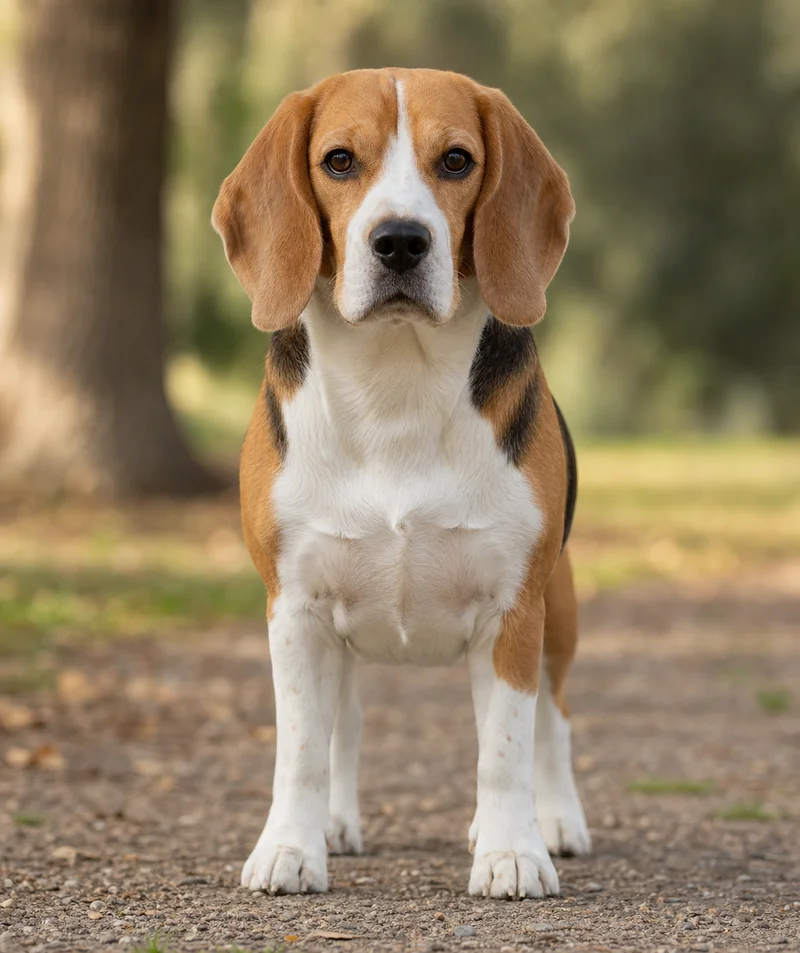 Beagle — View full breed profile →
Leveling Up: Moving Objects and Real-World Distractions
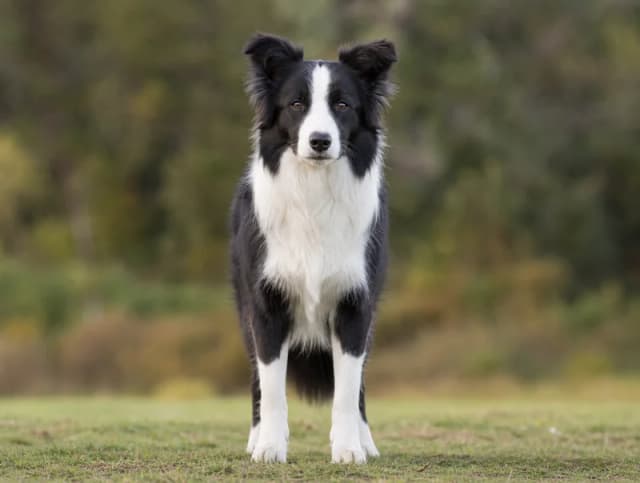
Once the floor game was solid, I made it dynamic. I rolled a tennis ball past her — "leave it" — and rewarded when she stayed still. Then a favorite squeaky toy. Then I had a friend walk by tossing a stick. Each success stacked onto the last. The real test came with squirrels. Nova quivers when she spots one, but I'd take her to the park, keep her on a long line, and practice "leave it" as squirrels chattered overhead. It failed the first few times — she lunged — but with high-value rewards and distance, she began to check in with me instead. For breeds with sky-high prey drive like the Border Collie (trainability 5), I've seen handlers use a flirt pole to simulate motion while proofing "leave it" — it's genius.
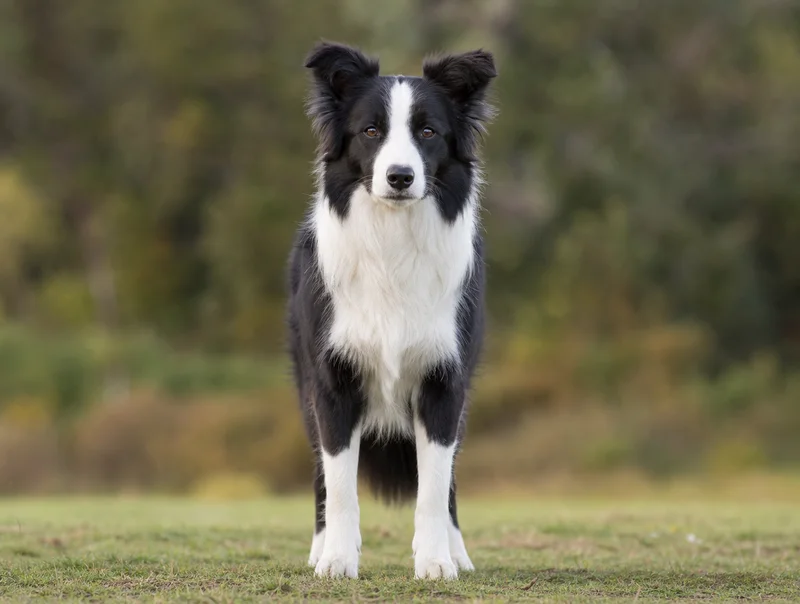 Border Collie — View full breed profile →
Proofing Across Environments
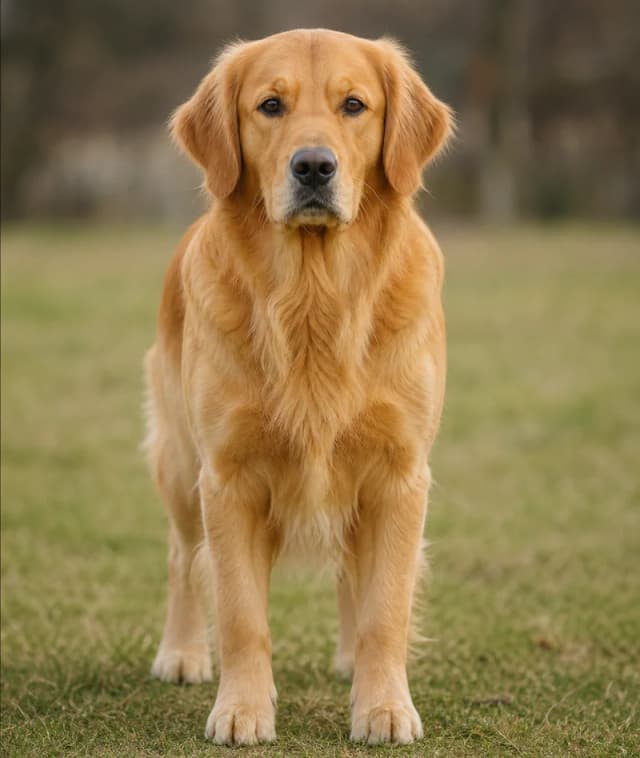
The cue means nothing if it only works in the living room. I took Nova to hardware stores, busy sidewalks, and picnic areas. I'd plant half-eaten sandwiches (in a ziplock, I'm not a monster) and practice from 20 feet, then 10, then right next to them. I'd have my kids run past with hot dogs. Each new context required a reset: lower criteria, jackpot rewards. A Golden Retriever (trainability 5) might generalize faster, but any dog needs that gradual proofing to truly grasp that "leave it" applies everywhere, not just when Mom has a treat pouch.
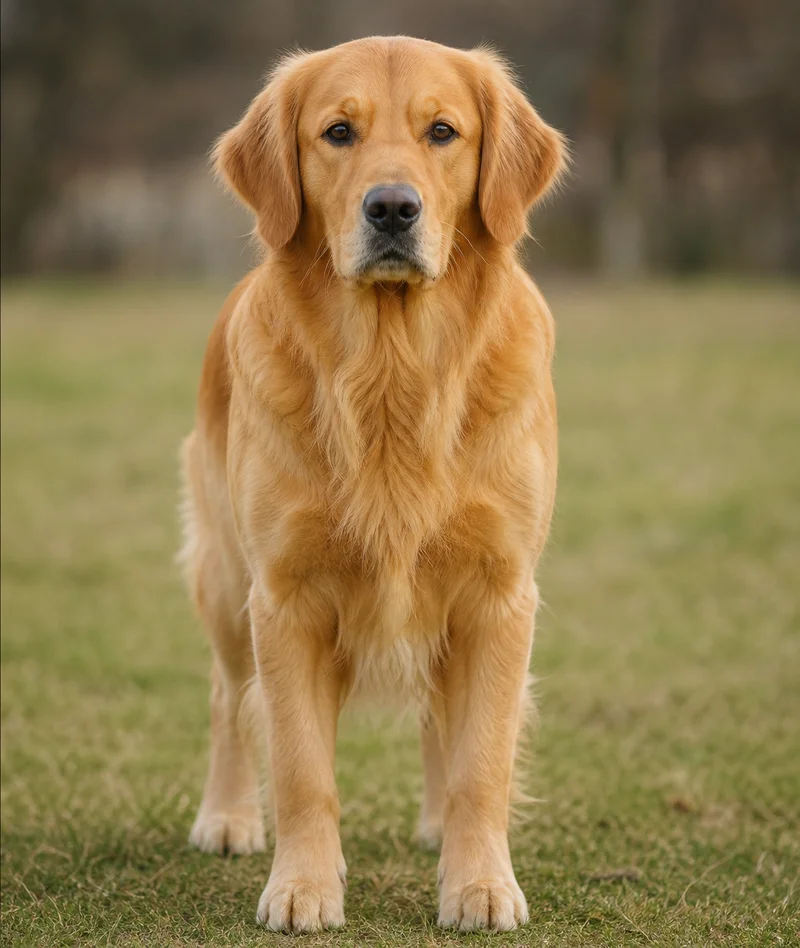 Golden Retriever — View full breed profile →
The Role of Impulse Control
"Leave it" is essentially a formalized impulse-control exercise. Nova got better at it after we played "wait" at doorways and "settle" on a mat. It's all the same muscle. For family dogs especially, this cue is non-negotiable. When toddlers drop grapes or guests leave medication within reach, a solid "leave it" averts disaster. If you're still deciding on the right breed for your household, our guide on the best dog breeds for families highlights dogs with inborn biddability, but every dog benefits from this training.
When It All Clicks
This morning, Nova found a dead gopher on our walk. She sniffed twice, then looked up at me, soft-eyed, waiting for permission. I gave her a treat and steered her away. That moment felt earned — not luck. Two seconds of obedience, but built on months of showing her that the best things come when she leaves the dangerous ones alone.
Breeds mentioned in this article
 Beagle
 Border Collie
 Golden Retriever
 Labrador Retriever
Find your perfect dog
Browse our in-depth, vet- and trainer-reviewed breed guides:
Share