I watched neighbors with Labs casually stroll while their dogs trotted politely beside them. That wasn't my reality. Our Husky saw the leash as a tow line. After one particularly humiliating trip where he pulled me into a stranger's hedge, I decided to find a method that actually addressed his breed's wiring instead of punishing it.
Why Choke Chains Fail (and What They Do Worse)
When Loki dragged me, the conventional wisdom was "correct him with a choke chain." The theory: a quick pop would stop the pulling. In practice, it made him more frantic. He'd lunge, choke, cough, then lunge again. Some dogs shut down from that kind of pressure; others, like Huskies, get more amped up. The physical act of choking doesn't teach loose-leash walking—it teaches the dog to fear the correction, not to relax. And for a breed with a thick double coat and a neck built for pulling, the chain barely registered anyway.
Worse, punishment can damage your relationship. A Husky is affectionate (affection rating 4) and sensitive behind that drama-queen exterior. When I yanked the chain, Loki started avoiding me on walks—stressed, anxious, and still pulling like a freight train. I needed a method that worked with his brain, not against his body.
The Stop-and-Stand Method: Make Pulling Boring
The breakthrough came when a trainer told me, "He pulls because pulling works. So make it stop working." The concept is simple: the moment the leash goes taut, you stop. Not a yank, not a yell—just plant your feet like a tree. Wait until the dog slackens the leash, even slightly, then mark and move forward.
The first time I tried it, we covered ten feet in twenty minutes. Loki had no idea what I wanted. He'd hit the end of the leash, look back at me, and howl his disapproval (barking level 2, but howling is a whole language). I stood still, avoiding eye contact, until he took one step toward me and the leash drooped. Immediately, I said "Yes!" and we walked three paces before he lunged again. Repeat. For an hour. I was bored senseless, but Loki finally started to notice: tension = stop, slack = progress.
With a breed this smart but independent, consistency is everything. A Labrador Retriever might pick this up faster (trainability 5), but a Husky needs to buy into the idea that walking nicely is his decision. The method doesn't use force, so it builds trust. After a week of daily practice, Loki began offering slack before hitting the end—tiny victories.
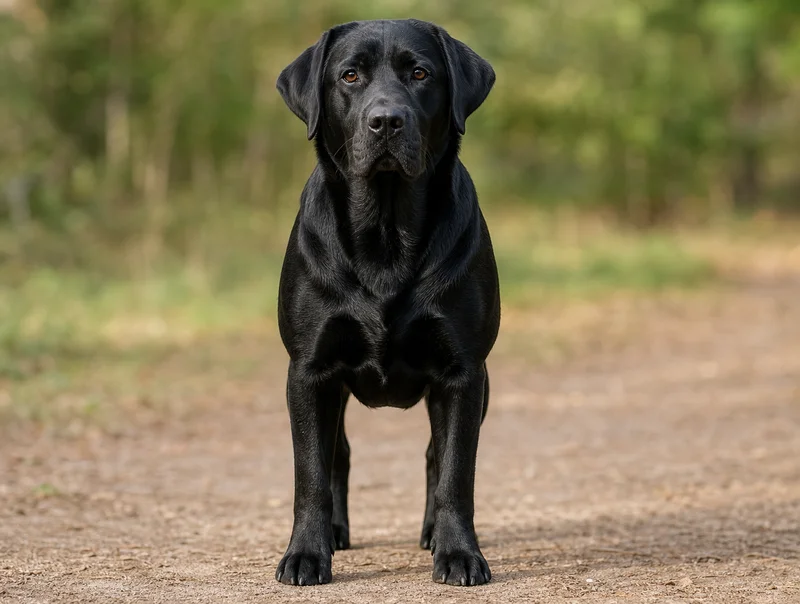 Labrador Retriever — View full breed profile →
The Front-Clip Harness: Your Sanity Saver
While the stop-and-stand method rewired Loki's expectations, a front-clip harness kept me upright. A regular back-clip harness gave him a perfect sled-dog setup to lean into. A front-clip harness, like the Ruffwear Front Range or similar, attaches at the chest. When he pulls, the design gently steers him sideways, so he can't plant and drag. It's a management tool, not a training replacement, but for a 50-pound Siberian Husky who could pull a grown man off his feet, it gave me control during the learning phase.
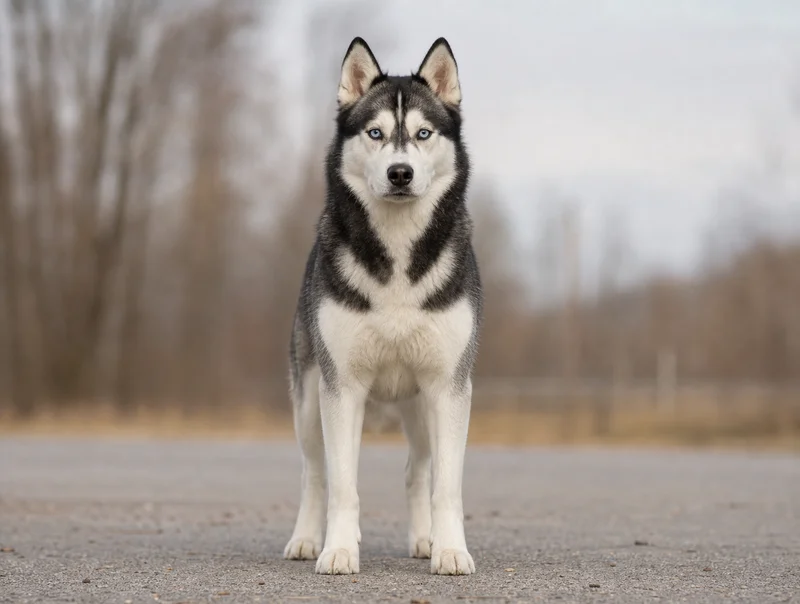 Siberian Husky — View full breed profile →
I paired the harness with the stop-and-stand. If he pulled, I'd stop, and the harness prevented him from yanking me forward. He quickly learned that pulling got him nowhere, literally. Within two weeks, his loose-leash walking improved dramatically. The key was using the harness every single walk, even quick potty breaks, so he never rehearsed pulling. And I never jerked the leash—just stopped.
Realistic Timeline: What Actually Changed
People want instant fixes. With a high-drive breed, you won't get one. Here's how it went with Loki:
- Week 1: Pure frustration. We averaged 200 feet per 30-minute "walk." My neighbors thought I was meditating. I stopped maybe 50 times per outing. But he was starting to glance back when the leash tightened.
- Weeks 2-3: I saw glimmers of hope. He'd walk politely for 10-15 steps before lunging. I got better at catching the slack and rewarding it with forward movement or occasional treats. The front-clip harness meant I never lost my balance.
- Weeks 4-6: Real progress. Walks became exercises in teamwork rather than tug-of-war. He still pulled toward squirrels, but he'd reset faster. The stop method became second nature—for both of us.
- Month 3: We could stroll past dogs, bikes, and even the dreaded squirrel without incident 80% of the time. He'd heel when I asked, though I never demanded a rigid heel; a loose leash was my goal.
- Ongoing: Some days he still tests me, but I now have a reliable system. The method works because it respects his nature: high energy, smart, and bred to move. A casual walk around the block still won't cut it—he needs at least 60-90 minutes of hard exercise daily, per his breed requirements. A tired Husky walks nicer, period.
If you have an Australian Shepherd with similar energy (level 5) but higher trainability (5), you might see faster results. But the principle holds: energy and drive must be channeled, not choked off. For families considering a high-energy dog, it's crucial to know what you're signing up for. The best dog breeds for families often include Labs and Aussies, but even they need robust training to walk politely. A Husky just adds extra flair.
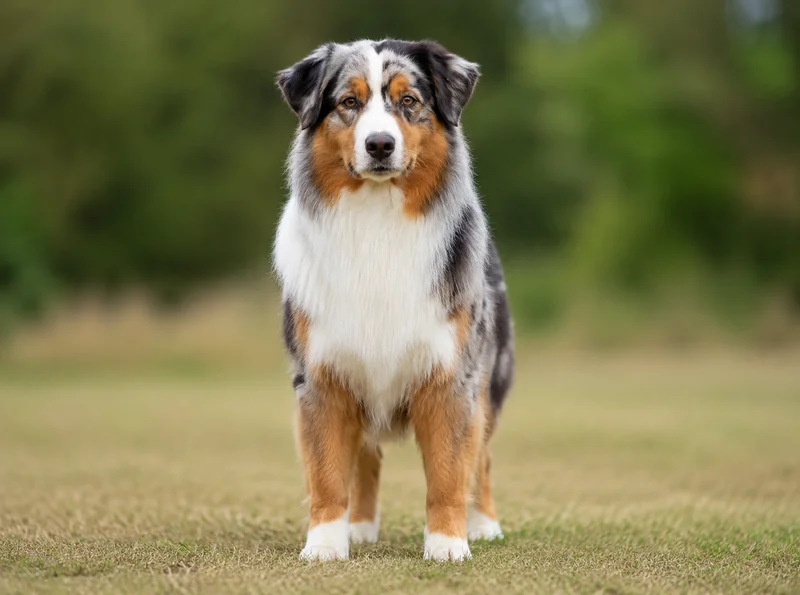 Australian Shepherd — View full breed profile →
Today, Loki's walks are the highlight of my day. He trots beside me, leash slack, occasionally glancing up with those mismatched eyes as if to say, "We're a team, right?" And if he forgets and surges ahead, I just stop—and he remembers. No choke chain, no battle. Just a patient, breed-savvy approach that finally let us walk together.




 Australian Shepherd
 Labrador Retriever
 Siberian Husky